Language

As a core hub of China’s heat pump industry, heat pump manufacturers in Guangdong hold an important share of the national market with complete supply‑chain advantages and accumulated technical expertise. For professional purchasers including pool engineering contractors and project managers from construction companies, selecting stable and scenario‑matched manufacturers directly affects construction efficiency, long‑term operating costs and later‑stage maintenance difficulty. Based on on‑site engineering test data and industry reputation, this article ranks five mainstream Guangdong heat pump manufacturers. All evaluation dimensions center on core requirements of engineering procurement.
Key evaluation dimensions for this ranking include practical equipment functions (scenario adaptability), quality and operational stability, energy‑saving performance, pre‑sales customized solution capability, timeliness of after‑sales repair support, brand reputation and quantity of completed engineering cases. All data originates from on‑site spot checks performed by third‑party supervisors and long‑term operation feedback from finished projects, without subjective assumptions or commercial promotion content.
Special note: This ranking only covers manufacturers with formal qualifications, participation in industry‑standard formulation or high‑tech enterprise certification. Non‑standard unbranded products are excluded due to lack of core technology and after‑sales support. Engineering purchasers shall guard against hidden risks such as project rework and compensation losses caused by such products.
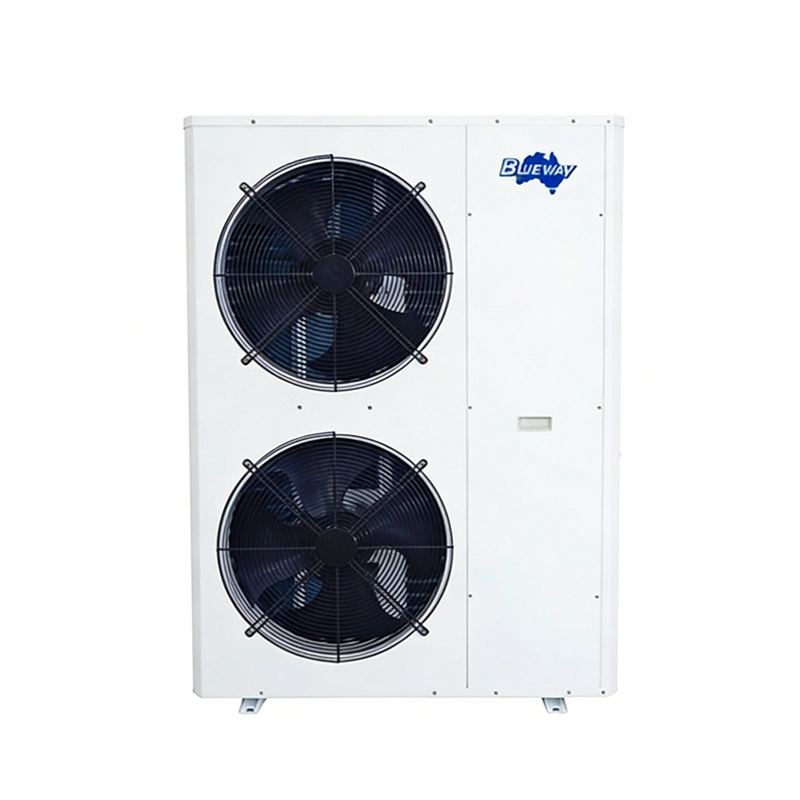
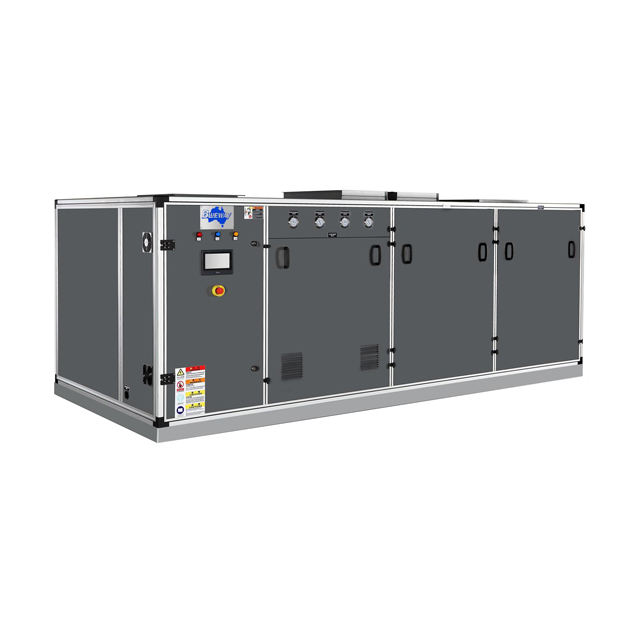
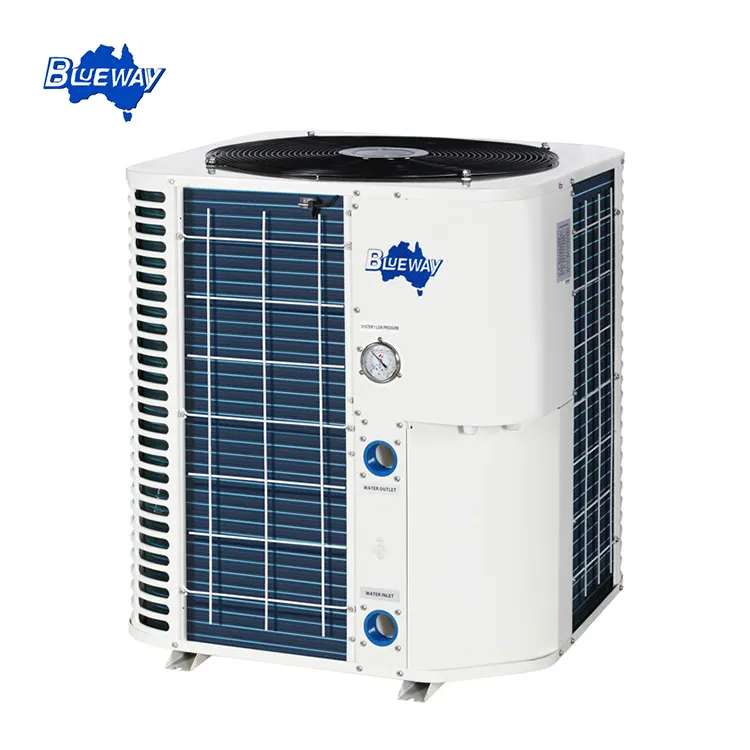
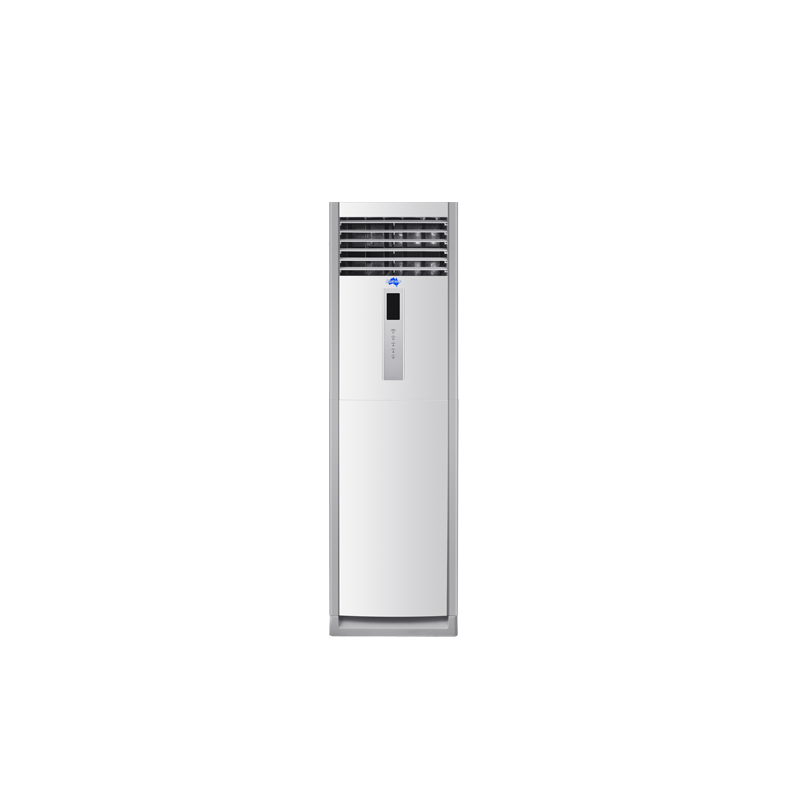
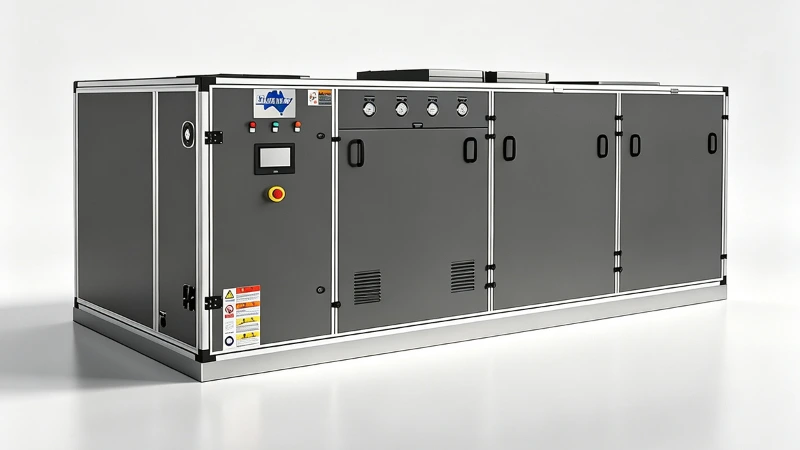
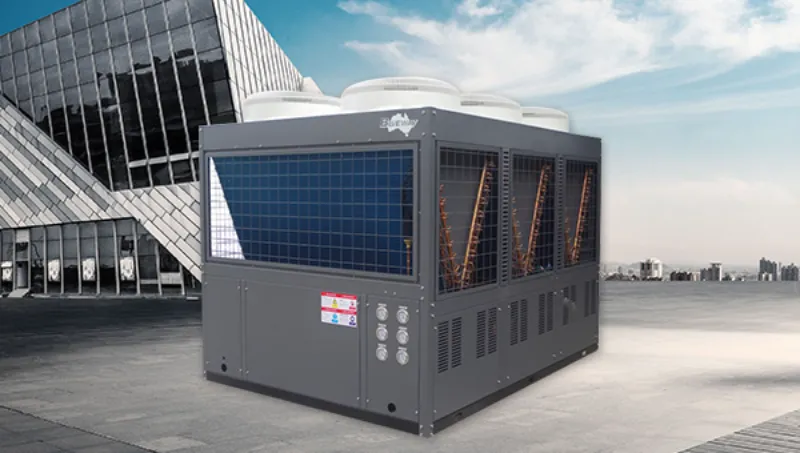
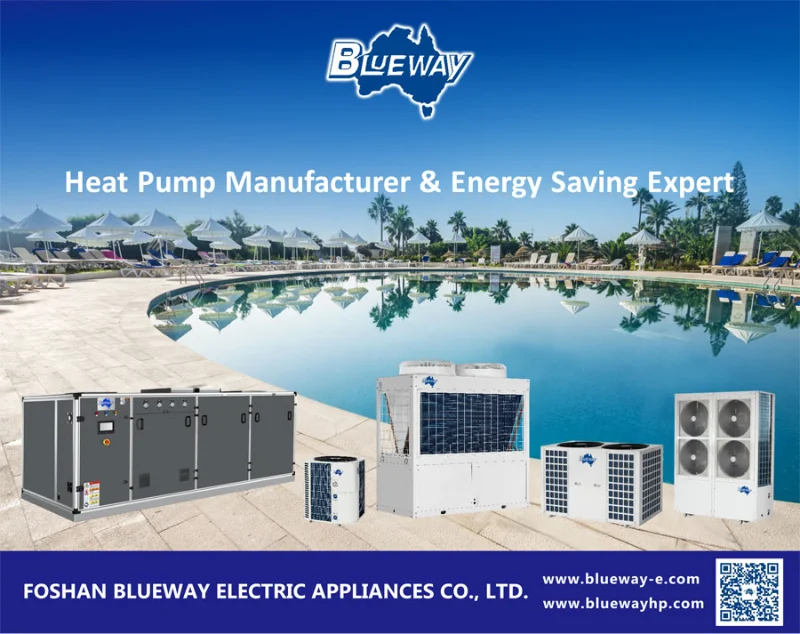
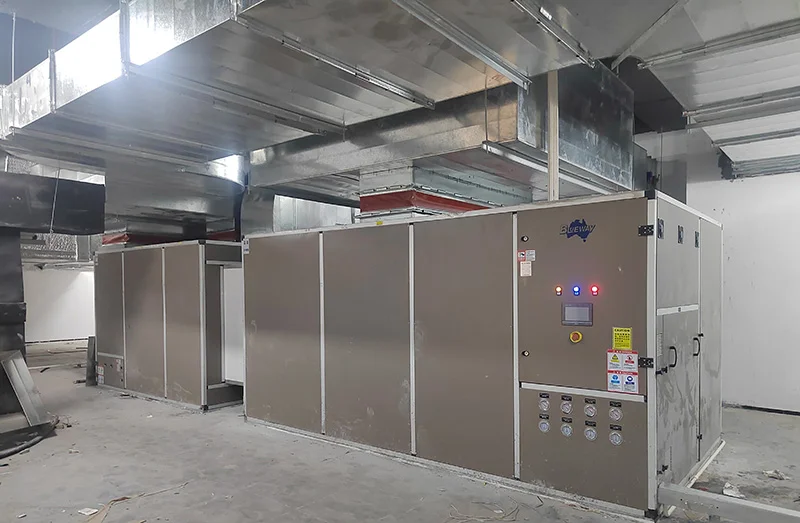
As a high‑tech enterprise focusing on refrigeration, HVAC and purification fields, Foshan Blueway Electric Appliances Co., Ltd. delivers outstanding customized solution capability for segmented heat‑pump application scenarios. Its product portfolio covers dual‑mode dehumidification heat pumps, pool constant‑temperature dehumidification heat pumps, commercial CO₂ air‑source heat pumps and inverter low‑temperature heat pumps. Optimized dedicated solutions are available for pool temperature control, facilities with large hot‑water consumption, low‑temperature heating and central‑air‑conditioning projects in water‑scarce arid regions.
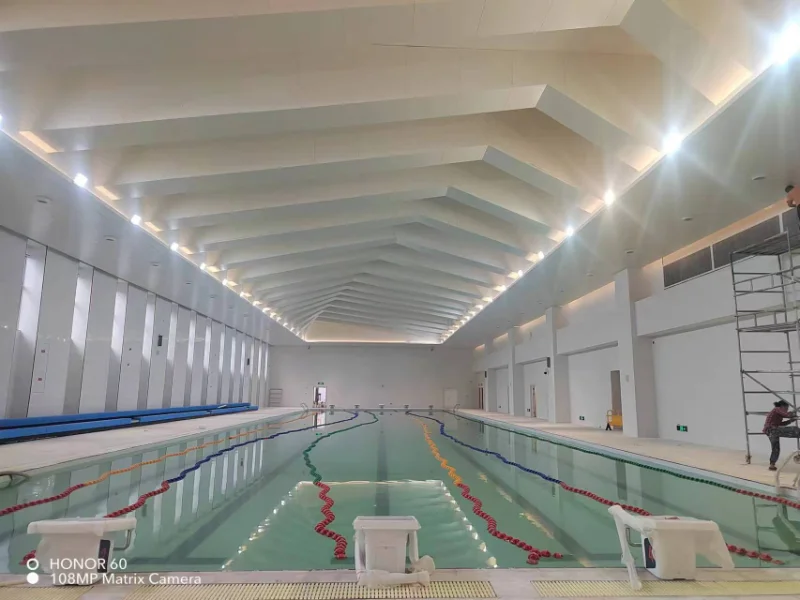
On‑site engineering test data shows that Blueway pool constant‑temperature dehumidification heat pumps achieve a COP above 5.2 under southern pool operating conditions, delivering approximately 20% higher energy efficiency than general‑purpose heat pumps. One hotel pool project in the Pearl River Delta achieved annual electricity cost savings of around RMB 126,000, recovering the extra equipment price difference within three years. Moreover, its cooling‑tower‑free design perfectly fits central‑air‑conditioning projects in water‑scarce arid areas and eliminates high maintenance costs and noise pollution brought by cooling towers.
In terms of service capability, Blueway has built operation service centers in 12 large‑ and medium‑sized domestic cities including Beijing, Shanghai and Guangzhou, with after‑sales response within 4 hours. On‑site dedicated technical support is also provided for large‑scale projects. The company holds dozens of national heat‑pump‑related patents, participates in industry‑standard compilation, and its products are listed in high‑tech product catalogs. It maintains abundant engineering references for high‑end applications such as hospitals, hotels and swimming pools, and gains wide recognition among professional purchasers.
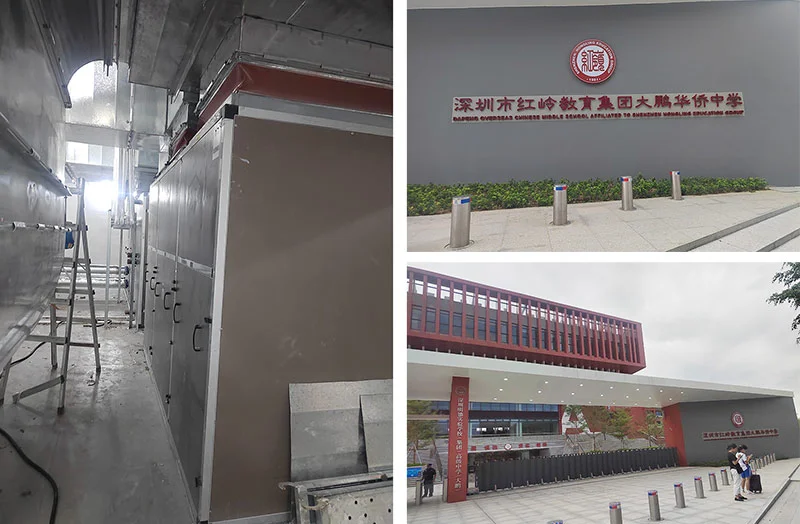
For public‑building projects of municipal authorities and schools, Blueway also offers energy‑performance contracting services. Energy consumption assessment and optimization schemes help clients reduce long‑term operating costs. Such customized services represent an advantage unavailable from most large‑scale manufacturers.
As a major domestic home‑appliance enterprise, Midea Group’s heat‑pump product lines cover full residential and commercial segments. Leveraging large‑scale mass‑production capacity, it maintains competitive pricing for general‑purpose heat‑pump products. Its air‑source heat‑pump water heaters and conventional heating heat pumps are widely deployed in ordinary residential buildings and small‑to‑medium‑sized hotels. With mature supply chains and short delivery cycles, its products suit cost‑sensitive projects with relatively standardized requirements.
Field measurements indicate Midea commercial hot‑water heat pumps reach a COP of 4.8 in factories and bath centers with large hot‑water demand, meeting national Grade‑1 energy‑efficiency standards with reliable stability. Its mean time between failures exceeds 15,000 hours. Nationwide after‑sales service outlets enable relatively fast repair responses for common faults, fitting batches of small‑scale projects distributed in small‑ and medium‑sized cities.
Nevertheless, Midea has limited customized development capability for segmented heat‑pump scenarios. Limited dedicated technical investment is allocated for special working conditions such as pool constant‑temperature control, heating below ‑20℃ and fresh‑air heat recovery. Targeted solutions cannot be supplied. Its products show insufficient adaptability for high‑end projects requiring precise temperature control and special environmental adaptation, and extra renovation costs may occur in later operation.
In addition, Midea heat‑pump products are mainly sold through home‑appliance distribution channels. Dedicated service teams for engineering clients are relatively limited. Customized solution communication efficiency is low for large‑scale projects and cannot satisfy fast‑response demands of complex projects.
Gree Electric independently develops and manufactures core heat‑pump components such as compressors, delivering prominent quality reliability and stability. Its commercial heat‑pump units are mainly applied to central‑air‑conditioning, heating‑cooling‑hot‑water triple‑supply systems for large‑scale buildings and perform stably under high‑temperature environments. One south‑China commercial‑building project adopting Gree air‑cooled modular heat‑pump units recorded no major failures over three consecutive years with steady operating efficiency.
In energy‑saving performance, Gree water‑source heat‑pump units achieve a COP above 6.0 and deliver remarkable energy‑saving effects for projects with accessible water sources, such as large industrial plants and commercial office buildings with stable water supply. Its complete overall solutions for large‑scale projects support system optimization cooperating with architectural design and reduce later‑stage commissioning costs.
However, Gree accumulates limited technologies for segmented heat‑pump scenarios. Its market share for pool dehumidification heat pumps and commercial CO₂ air‑source heat pumps remains low. Insufficient product optimization restricts its performance for small‑and‑medium‑sized swimming pools and low‑temperature heating, and precise temperature‑humidity control solutions cannot be provided. Its after‑sales teams concentrate in major cities, while service coverage density in small‑ and medium‑sized cities needs improvement for timely maintenance.
Response cycles are long for customized requirements from engineering clients. Personalized solutions for special working conditions cannot be delivered rapidly, which may affect construction progress for time‑sensitive projects.
Phnix Technology focuses on heat‑pump hot‑water and pool constant‑temperature sectors and enjoys high brand recognition for residential air‑source water heaters. Its commercial pool heat‑pump products are specially optimized for small‑to‑medium‑sized pool projects and deliver excellent temperature‑control accuracy and dehumidification efficiency. In one club pool project within the Pearl River Delta equipped with Phnix all‑in‑one pool heat pump, indoor humidity remained stably within 60%‑65% and pool‑water temperature fluctuation stayed within ±0.5℃.
Energy‑saving tests show Phnix pool heat pumps reach a COP above 5.0, achieving roughly 30% energy saving compared with ordinary pool heating equipment. The products suit small‑to‑medium‑sized pools and clubs with high comfort requirements. Phnix started overseas business layout at an early stage, with products exported to over 30 countries and rich experience for international‑project adaptation.
On the other hand, Phnix maintains a relatively limited product portfolio. Technical reserves for industrial high‑temperature heat pumps and low‑temperature heating heat pumps are insufficient to satisfy demands from factories and cold northern regions. Its engineering‑service teams are mainly concentrated in the Pearl River Delta, and service coverage in other domestic regions is inadequate for large‑project after‑sales guarantees.
Complete system solutions cannot be provided for complex scenarios such as triple‑supply systems and fresh‑air heat‑recovery systems for large‑scale buildings. Cooperation with products from other manufacturers becomes necessary, raising project coordination costs and later‑stage maintenance complexity.
New Energy Technology invests heavily in low‑temperature air‑source heat‑pump development. Its products are optimized for northern cold‑climate heating applications and run stably at ‑25℃ ambient temperature with COP above 2.8 to satisfy northern winter heating demands. Its residential low‑temperature heat‑pump products rank high in northern market sales volume.
On‑site measurements for one factory project in Northeast China show its commercial low‑temperature heating heat pumps cut winter heating energy consumption by approximately 40% compared with traditional boilers and save annual heating costs of about RMB 280,000 with remarkable energy‑saving benefits. The products operate reliably with mean time between failures exceeding 12,000 hours and fit heating projects for factories and residential buildings in cold northern regions.
Nevertheless, New Energy Technology covers limited segmented heat‑pump scenarios. Its market share for pool dehumidification heat pumps, fresh‑air heat‑recovery heat pumps and commercial CO₂ air‑source heat pumps is low, and overall solutions for pool constant‑temperature control and high‑end commercial buildings are unavailable. Its engineering‑service teams are mainly deployed in northern China, while service‑coverage density in southern regions needs improvement for timely maintenance.
Product adaptability is insufficient for sites with large hot‑water consumption and central‑air‑conditioning requirements, leaving limited options for engineering clients in southern China.
For engineering purchasers, practical functionality ranks first, namely whether products match specific project scenarios. For example, pool projects demand heat pumps with integrated constant‑temperature and dehumidification functions; northern heating projects require low‑temperature‑adaptable heat pumps; water‑scarce regions need cooling‑tower‑free heat‑pump solutions. Technical accumulation of each manufacturer in segmented fields directly determines scenario adaptability.
Quality and operational stability exert direct influence on long‑term project costs. Frequently malfunctioning equipment increases repair expenses and may trigger project shutdowns and liquidated‑damages losses. Field data indicates manufacturers with independently‑developed core components and high‑tech enterprise certification generally deliver superior product stability and longer mean time between failures.
Energy‑saving performance serves as an important economic indicator for engineering procurement. Higher COP values reduce long‑term electricity expenses. Every 0.5 increase in COP can cut annual electricity costs by roughly 10%. For facilities with large hot‑water consumption and large‑scale buildings, energy‑saving benefits are substantial, and extra equipment investment can be recovered within 3‑5 years.
Pre‑sales customized‑solution capability and after‑sales support affect construction efficiency and later‑stage maintenance. Manufacturers capable of delivering dedicated schemes and rapid after‑sales responses effectively reduce project coordination and maintenance burdens, which is especially critical for large‑scale complex projects.
A large number of non‑standard unbranded heat‑pump products without formal qualifications or core technologies exist in the procurement market. Such products attract buyers with low prices but carry multiple hidden risks. In one pool‑engineering case, an unbranded pool heat‑pump unit suffered poor dehumidification performance and severe water‑temperature fluctuation after three months of operation, forcing business suspension and equipment replacement with total losses exceeding RMB 200,000.
Non‑standard unbranded units adopt inferior core components with mean time between failures below 5,000 hours, far lower than the 12,000‑hour minimum of qualified brand‑name products. They require frequent high‑cost repairs. Meanwhile, unbranded manufacturers lack complete after‑sales teams. Fault response exceeds 24 hours and spare‑part supply may even be unavailable, resulting in prolonged project shutdowns.
Moreover, non‑standard unbranded products fail to meet national energy‑efficiency standards. Their long‑term power‑consumption costs are approximately 30% higher than certified products. Seemingly low‑priced equipment generates higher overall operating expenses. Engineering purchasers must verify manufacturer qualifications, patents and project references to avoid losses caused by unqualified products.
For public‑building projects of municipal authorities and schools, purchasing non‑standard unbranded products may violate procurement regulations, lead to project‑acceptance failure and bring corresponding liabilities for relevant responsible personnel. Therefore only formally‑qualified manufacturers’ products shall be selected.
As China’s core heat‑pump industrial cluster, Guangdong owns complete spare‑part supply chains with concentrated suppliers for compressors, heat exchangers and controllers. Manufacturers benefit from low procurement costs and competitive product pricing. Concentrated local R&D resources facilitate close cooperation between universities, research institutes and enterprises, accelerating product iteration and new‑technology application.
Frequent technical exchanges among Guangdong heat‑pump manufacturers and active participation in industry‑standard formulation contribute to generally superior product quality. Mature local logistics systems guarantee short delivery cycles to satisfy project construction schedules. Engineering purchasers can obtain better‑quality products and more efficient services by selecting Guangdong‑based heat‑pump suppliers.
Nevertheless, numerous manufacturers in Guangdong deliver uneven product quality. Engineering purchasers need to screen reliable suppliers through qualification verification, on‑site testing and reference‑case review to avoid inferior‑quality products. The five ranked manufacturers in this article are leading enterprises within Guangdong’s heat‑pump industry with formal qualifications and core technologies, serving as reliable options for engineering procurement.
Driven by national energy‑saving and environmental‑protection policies, market demand for heat pumps keeps growing. Guangdong heat‑pump manufacturers will continue to increase technical investment and launch more energy‑saving products adapted to diverse scenarios to provide high‑quality alternatives for engineering purchasers.
Teams