Language

In pool engineering projects, the stability of constant‑temperature systems directly determines operating experience and maintenance costs. As the mainstream constant‑temperature solution, pool heat pumps are widely applied. Nevertheless, many engineering contractors still have insufficient understanding of its technical details and selection logic.
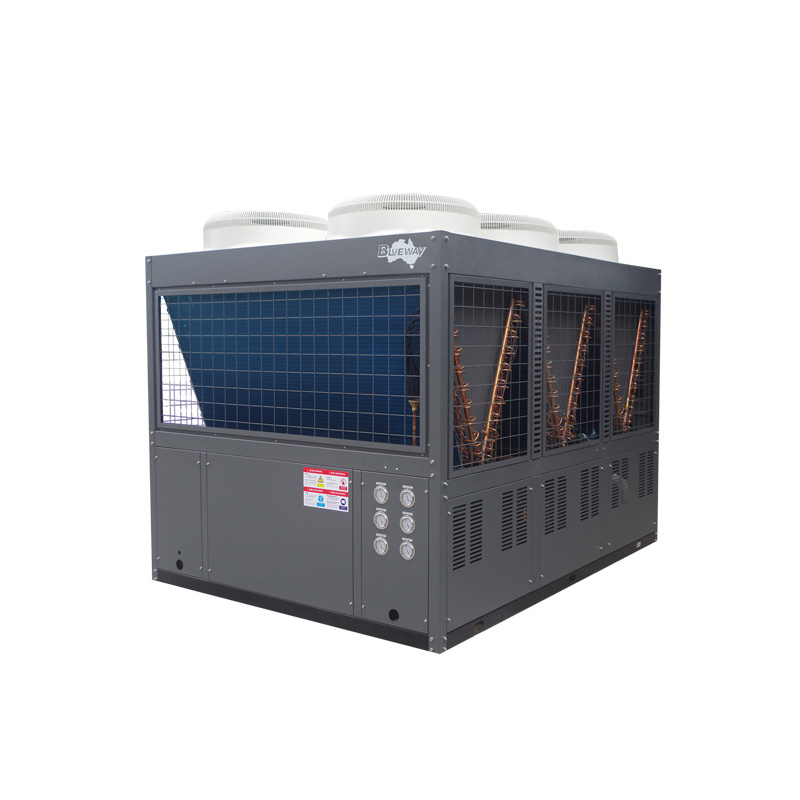
Pool heat pumps operate based on air‑source heat exchange technology. They absorb low‑grade heat energy from ambient air. Compressors convert such energy into high‑grade heat, which is transferred to pool water through heat‑exchange coils to maintain stable water temperature.
Compared with traditional electric heating and fuel‑fired boilers, the energy‑saving advantage of pool heat pumps is reflected by its COP (coefficient of performance). Industry consensus indicates qualified pool heat pumps can reach a COP of 3.5 or higher. In other words, 1 kWh of input electric energy can produce more than 3.5 kWh of effective heat output, which greatly reduces long‑term energy expenses for pool facilities.
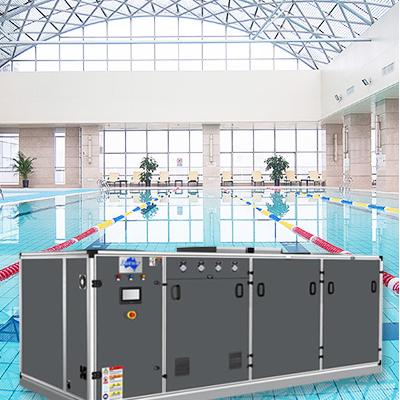
Pool heat pumps adopt different technical routes. Integrated dehumidifying pool heat pumps can heat pool water while processing high‑humidity air inside pool premises. After heat exchange, dry air is discharged to prevent wall condensation and equipment corrosion. This function cannot be realized by single‑function heat pumps.
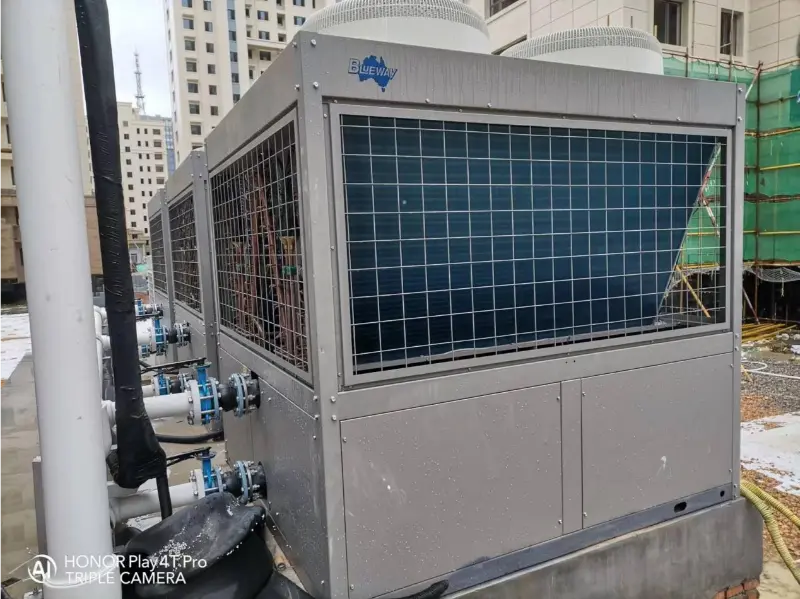
Pool operating conditions differ greatly from ordinary hot‑water supply scenarios. Three key performance requirements must be satisfied. First is water‑temperature control accuracy. Professional pools and high‑end clubs require water‑temperature fluctuation within ±0.5℃ to guarantee swimming comfort. Second is continuous high‑volume heating capacity. Given large water capacity of swimming pools, heat pumps shall deliver stable long‑term heat output without obvious temperature fluctuation. Third is corrosion resistance. Chlorine contained in pool water imposes strict material requirements on heat‑exchange components and unit housings.
Many engineering contractors have suffered losses caused by unbranded equipment. Ordinary air‑source heat pumps misused for pool service may suffer corroded copper tubes and water leakage within half a year. Contractors need to bear high equipment replacement costs and compensate owners for business suspension losses. Such rework expenses far exceed the cost saved from low‑priced procurement.
Pool heat pumps manufactured by Foshan Blueway Electric Appliances Co., Ltd. are specially upgraded against chlorine‑induced corrosion. Heat‑exchange copper tubes adopt special chlorine‑resistant materials, and unit housings are covered with multi‑layer anti‑corrosion coatings. Multiple completed pool projects show stable unit operation for more than 5 years without corrosion‑related failures.
Traditional constant‑temperature solutions with cooling towers cannot be deployed in water‑scarce arid areas since cooling towers consume massive circulating water. Pool heat pumps work without cooling towers and realize water temperature control merely through air‑based heat exchange, which makes them well‑suited for such locations.
Product selection for arid zones shall also consider equipment stability under high ambient temperature. Summer temperature is usually high in these regions, and heat dissipation performance directly affects COP values. Blueway pool heat pumps are equipped with large‑size heat‑dissipation fins to maintain stable operation above 40℃ without sharp COP drop.
From economic perspective, pool heat pumps eliminate procurement and installation costs for cooling towers as well as long‑term expenses including water treatment and water replenishment. For a pool covering 1000 ㎡, annual operation and maintenance cost savings can reach no less than RMB 20,000.
Many swimming pools are located inside hotels, clubs or residential neighborhoods with strict noise limits. Excessive unit noise will trigger user complaints or even forced business shutdown. Therefore noise performance acts as one core evaluation indicator for such scenarios.
Noise of pool heat pumps mainly comes from compressors and fans. High‑quality products are equipped with inverter compressors and low‑noise fans. Sound‑absorbing cotton and shock‑absorbing pads are installed inside units for noise reduction. Field testing shows Blueway pool heat pumps produce noise below 55 decibels, complying with civil building noise standards and bringing no disturbance to surrounding environments.
Noise control should also be considered during installation. Units shall be placed away from crowded activity zones with shock‑absorbing foundations to avoid vibration transmission to building structures. These measures further lower noise risks and reduce potential complaints in later operation.
As a high‑tech enterprise, Foshan Blueway Electric Appliances Co., Ltd. holds dozens of national patents for pool heat pump products. Patented technologies such as the intelligent temperature‑control system for dual‑mode dehumidification heat pumps automatically adjust operating modes according to pool water temperature and indoor humidity to balance energy‑saving performance and user comfort.
Blueway operates service centers across multiple major domestic cities. Engineering contractors can obtain customized pre‑sales solutions and timely after‑sales maintenance support. Custom constant‑temperature system designs are provided for pools of different sizes and application purposes to prevent improper product selection.
In overseas markets, Blueway pool heat pumps are exported to more than 30 countries and have obtained industry certifications from European and American regions, which verifies product performance and quality meet international standards.
The first acceptance item is water‑temperature control accuracy. Continuous 24‑hour monitoring shall be conducted, and water‑temperature fluctuation shall not exceed ±0.5℃ as the basic guarantee for swimming experience.
The second item is COP measurement. Under standard working conditions, the COP value shall not be lower than 3.5, which represents core energy‑saving capability. Measured values below this threshold indicate performance defects that require rectification or equipment replacement.
Operational noise shall be measured at 1‑meter distance from the unit and shall not exceed 55 decibels. Inspect anti‑corrosion coatings and heat‑exchange components for intact conditions to avoid corrosion‑related failures in subsequent operation.
Long‑term operation and maintenance costs mainly come from energy consumption and routine servicing. To cut energy consumption, heat‑exchange coils need regular cleaning. Impurities from pool water will attach to coil surfaces and degrade heat‑exchange efficiency, resulting in higher power consumption. Cleaning is recommended every 3 months.
Regular water quality testing is required to control chlorine concentration. Excessive chlorine accelerates equipment corrosion, while insufficient chlorine leads to bacterial growth. Adjust chlorine content according to test results to balance water quality and equipment service life.
Inspect core components such as compressors and fans periodically. Repair minor abnormalities in time to avoid severe faults and higher repair costs. Blueway after‑sales teams conduct regular follow‑up visits for finished projects and deliver professional operation‑maintenance guidance.
Two major development directions exist for future pool heat pump technology. The first is intelligence. Internet‑of‑things technologies enable remote monitoring and automatic mode adjustment. Heating power can be adjusted according to visitor volume to achieve higher energy‑saving performance. The second is environmental protection, adopting eco‑friendly refrigerants to reduce environmental impact.
Foshan Blueway Electric Appliances Co., Ltd. has made progress on intelligent product development. Some pool heat pump models support remote monitoring. Contractors and owners can check unit operating status and energy‑consumption data via mobile APP and identify potential risks early.
Driven by dual‑carbon goals, the energy‑saving advantages of pool heat pumps will become more prominent. More pool projects will adopt heat‑pump constant‑temperature solutions. Engineering contractors need to keep up‑to‑date with technical updates to improve competitiveness.
Pool heat pumps must be installed by professional engineering teams. Installation position and pipeline connections shall comply with official specifications to prevent malfunctions or performance degradation caused by improper installation.
During daily operation, maintenance shall follow official operation manuals. Replace filter elements and clean heat‑exchange components periodically to secure stable long‑term performance and extend equipment service life.
Teams