Language

Abstract: Heating and cooling a home efficiently can be challenging, especially with fluctuating temperatures and rising energy costs. A heating cooling heat pump provides a versatile solution, offering both heating and cooling functions in a single system. This article explores how heat pumps work, their benefits, energy-saving potential, installation tips, and answers common questions for homeowners seeking an efficient climate solution.
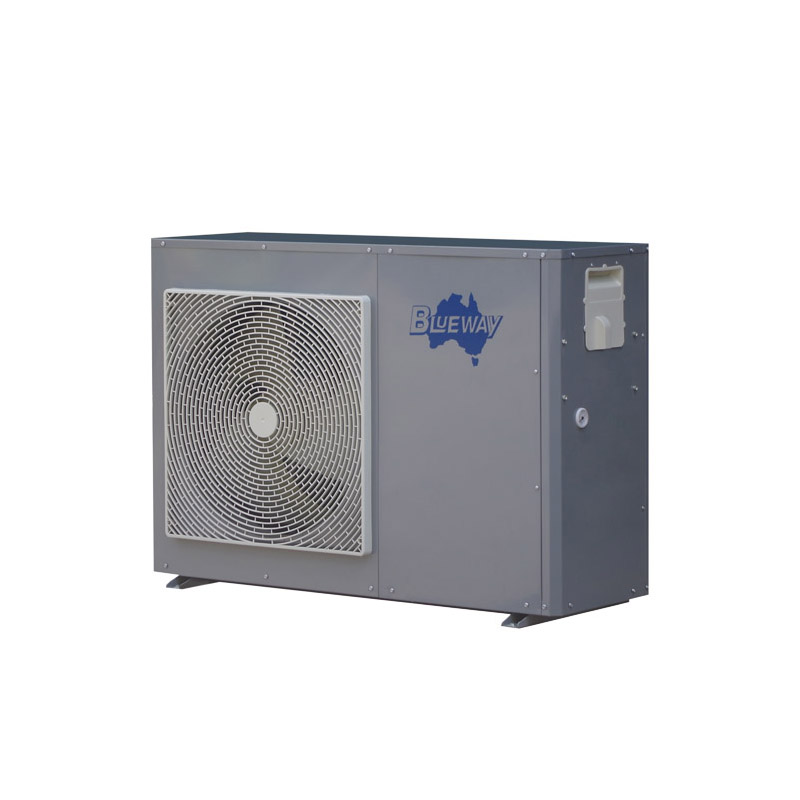
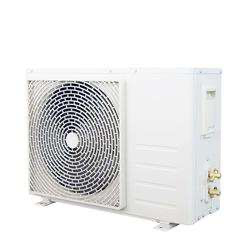
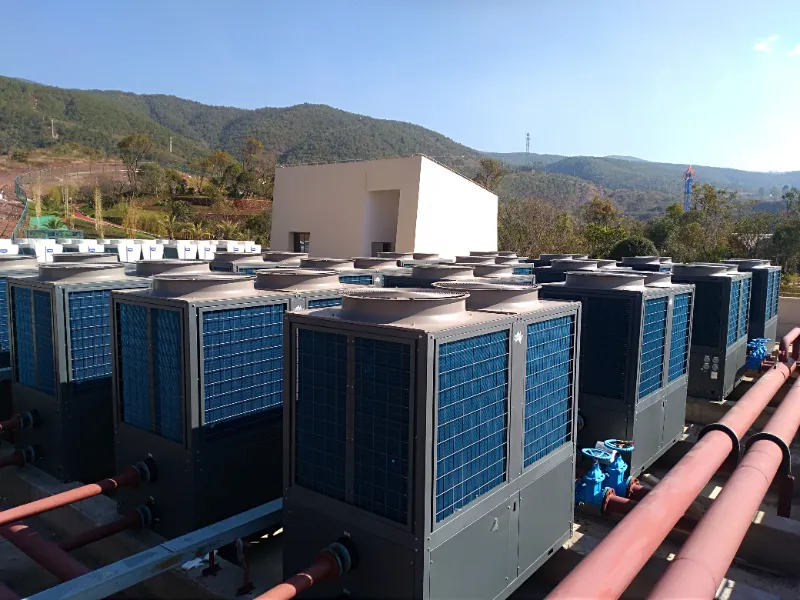
A heating cooling heat pump is an advanced HVAC system designed to provide both heating and cooling in one compact unit. Unlike traditional furnaces or air conditioners, a heat pump transfers heat rather than generating it, making it highly energy-efficient.
Understanding the mechanics of a heat pump can help homeowners make informed decisions. Essentially, it operates using a refrigerant cycle, moving heat between indoors and outdoors.
| Component | Function |
|---|---|
| Evaporator Coil | Absorbs heat from the surrounding environment. |
| Compressor | Pressurizes refrigerant to transfer heat efficiently. |
| Condenser Coil | Releases heat to the targeted area (indoor or outdoor). |
| Expansion Valve | Regulates refrigerant flow and maintains system efficiency. |
By reversing the refrigerant flow, a heat pump can seamlessly switch between heating and cooling, providing year-round comfort with minimal energy consumption.
Homeowners are increasingly choosing heat pumps due to their versatility and cost-effectiveness. Key advantages include:
Heat pumps are one of the most energy-efficient HVAC solutions available. They use renewable thermal energy from the environment, which significantly lowers operational costs.
| System Type | Average Efficiency | Annual Energy Savings |
|---|---|---|
| Traditional Furnace | 80% AFUE | Baseline |
| Air Conditioner + Furnace | 14 SEER / 80% AFUE | ~15% savings |
| Heating Cooling Heat Pump | 18–20 SEER / HSPF 9–10 | 20–40% savings |
By switching to a heat pump, homeowners can see a significant reduction in both heating and cooling costs while contributing to sustainable energy practices.
Proper installation is key to ensuring optimal performance. Here are essential factors to consider:
Regular maintenance keeps your heat pump running efficiently and prolongs its lifespan:
Yes. Modern cold-climate heat pumps are designed to extract heat efficiently even in temperatures as low as -15°C (5°F).
With proper maintenance, a heat pump can last 15–20 years, depending on usage and environmental conditions.
Initial costs are higher than traditional systems, but energy savings typically offset this investment within a few years.
Some models, known as hybrid or water-source heat pumps, can also supply domestic hot water efficiently.
Yes. By using ambient heat instead of burning fuel, heat pumps reduce greenhouse gas emissions and reliance on fossil fuels.
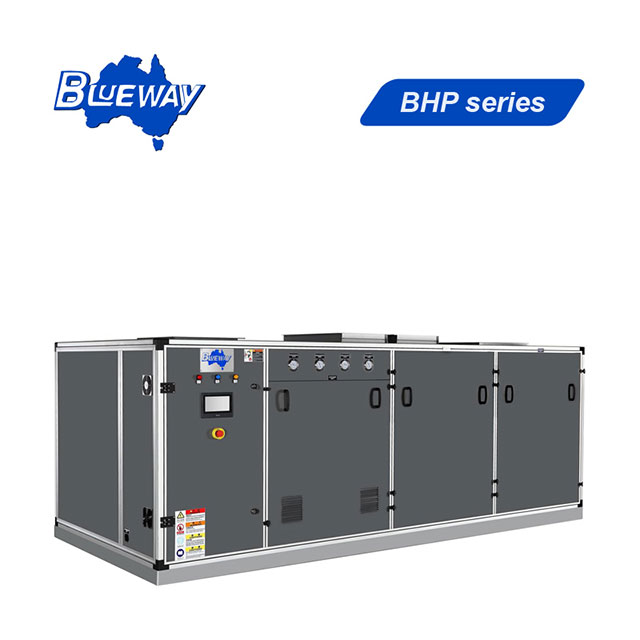
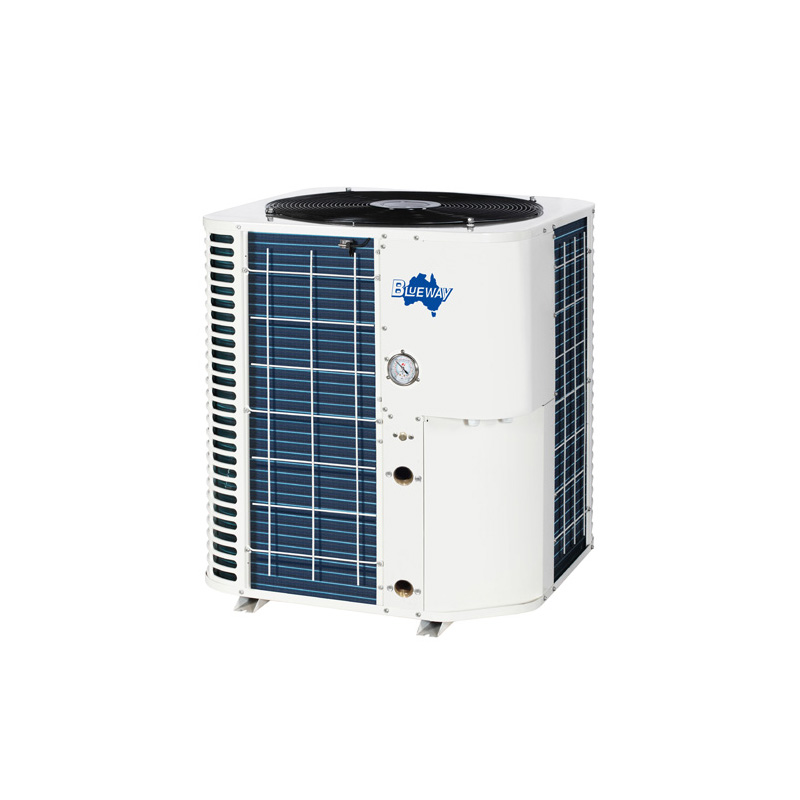
Blueway provides high-quality heating cooling heat pumps tailored for your home or business. Whether you are looking to reduce energy bills, improve comfort, or upgrade to a sustainable climate solution, our team is ready to help. Contact us today to explore the perfect heat pump for your needs.
Teams