Language

Installing a pool heat pump ensures comfortable swimming temperatures year-round, but selecting the right unit requires careful planning. With rising energy costs, choosing an efficient China heat pump is critical. Here’s a guide to finding a system that balances performance and savings.
Pool Size: Calculate the volume (length × width × average depth). Larger pools need higher-capacity heat pumps.
Climate: Colder regions require heat pumps with robust COP (Coefficient of Performance) ratings.
High COP Ratings: A COP above 5.0 indicates excellent efficiency (e.g., 1 kW electricity → 5 kW heat).
Inverter Technology: Variable-speed compressors adjust output to demand, saving 30% more energy than fixed-speed models.
Pro Tip: China hot water heat pump producers like Blueway HVAC specialize in inverter-driven units for pools.
Pool heat pumps face moisture, saltwater, and UV exposure. Opt for:
Corrosion-Resistant Materials: Titanium heat exchangers and coated shells extend lifespan.
Smart Defrosting: Essential for cold climates to prevent ice buildup.

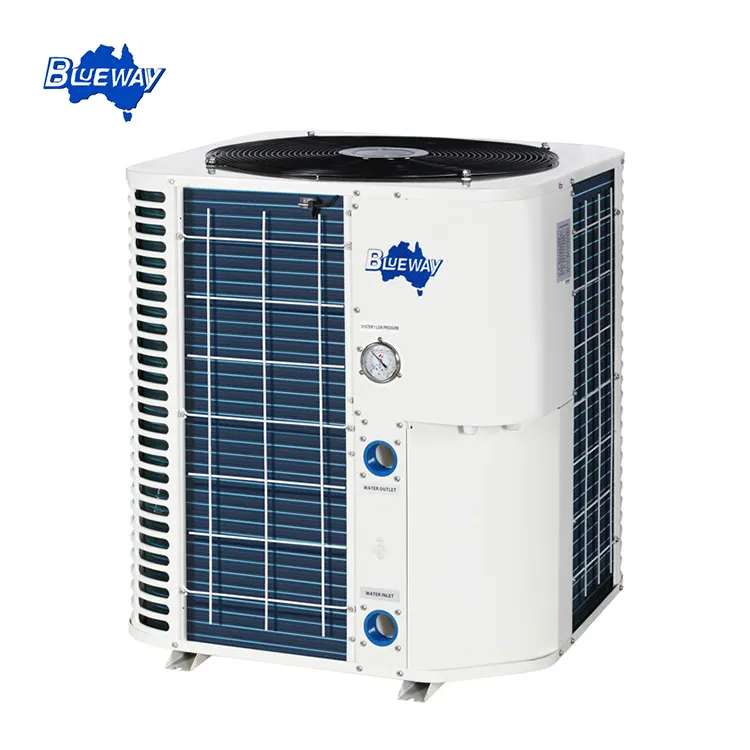
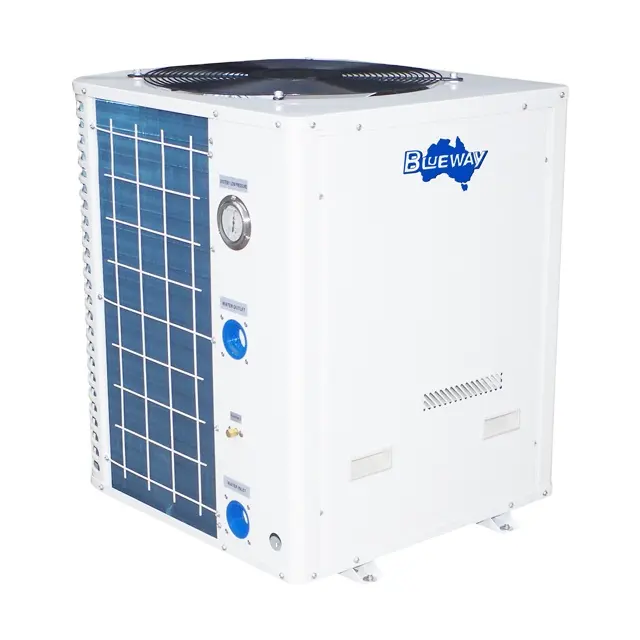
Air to Water Heat Pumps: Extract heat from ambient air; ideal for moderate climates.
Water Source Heat Pumps: Use groundwater or lake heat; higher efficiency but complex installation.
Most residential pools benefit from air to water heat pump systems due to their simplicity and lower upfront costs.
China dominates the global heat pump market, offering:
Advanced R&D: Cutting-edge innovations like hybrid solar/heat pump systems.
Cost Savings: Competitive pricing without compromising quality.
Certifications: Ensure units meet ISO, CE, or ENERGY STAR standards.
Easy Access Filters: Simplify cleaning.
5+ Year Warranties: Reputable air handling unit manufacturers provide longer coverage for compressors and parts.
Case Study: Optimizing a Rural Pool
A 40m³ pool in Zhejiang, China, used a 12kW China hot water heat pump with a COP of 5.2. Annual energy costs dropped by 60% compared to gas heaters, with a 3-year ROI.
Teams