Language

Article Summary: This comprehensive guide explains how a hot water heat pump works, why it is becoming a preferred solution for residential and commercial water heating, and how it addresses common user pain points such as high energy bills, inconsistent water temperature, and environmental concerns.

1. Introduction
2. What Is a Hot Water Heat Pump?
3. How Does a Hot Water Heat Pump Work?
4. Key Benefits and User Pain Points Solved
5. Product Parameters and Technical Specifications
6. Installation and Application Scenarios
7. Maintenance and Operational Tips
8. Frequently Asked Questions
9. Conclusion
Rising energy costs and increasing environmental awareness have driven the demand for efficient water heating systems. Traditional electric and gas water heaters often suffer from high energy consumption and unstable performance. In contrast, hot water heat pumps have emerged as an advanced solution that combines energy efficiency with consistent output. This article explores how this technology works and why it is a reliable investment for long-term savings.
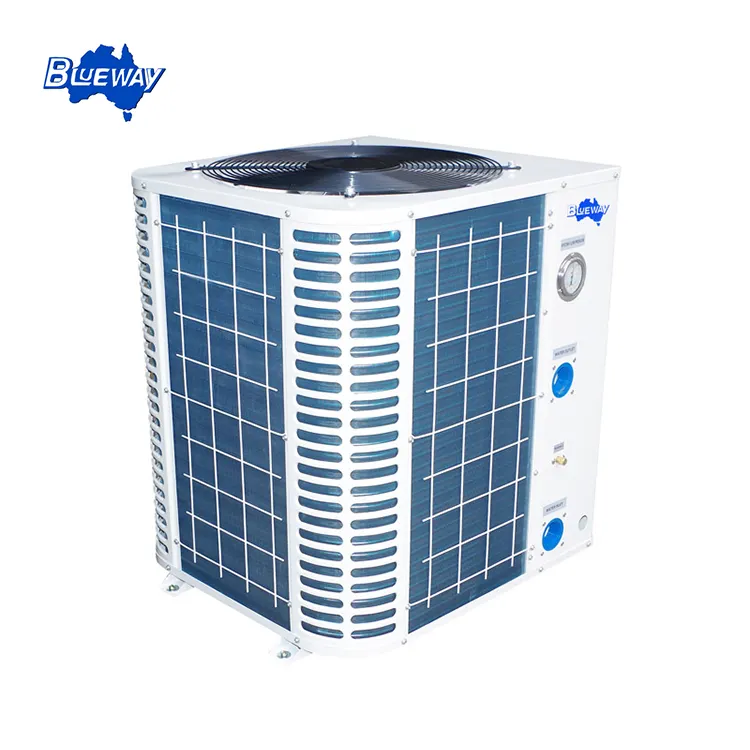
A hot water heat pump is a system that uses ambient air energy to heat water. Instead of generating heat directly like conventional heaters, it transfers heat from the surrounding air into the water tank using a refrigeration cycle.
Core components include:
This indirect heating method significantly reduces electricity consumption while maintaining reliable performance across various environments.
The operation of a hot water heat pump is based on thermodynamic principles. The process involves the following steps:
This cycle allows the system to produce more heat energy than the electrical energy it consumes, resulting in high efficiency performance.
Many users face similar challenges when choosing water heating systems. Hot water heat pumps address these effectively:
Manufacturers like Blueway have optimized system design to enhance reliability and performance across diverse applications.
| Parameter | Specification |
| Heating Capacity | 3kW – 30kW |
| Power Supply | 220V / 380V |
| Water Temperature Range | 35°C – 60°C |
| Operating Temperature | -7°C – 45°C |
| Energy Efficiency Ratio (COP) | 3.0 – 4.5 |
| Refrigerant Type | R134a / R410A |
| Noise Level | ≤55 dB |
These parameters may vary depending on the model and application scenario.
Hot water heat pumps are versatile and suitable for multiple environments:
Installation considerations include:
Blueway provides customized solutions tailored to specific project requirements, ensuring optimal performance and efficiency.
To ensure long-term efficiency and system reliability, users should follow these maintenance practices:
Proper maintenance not only extends system lifespan but also maintains optimal energy efficiency.
Q1: Is a hot water heat pump suitable for cold climates?
Yes, modern systems are designed to operate efficiently even in low ambient temperatures, though performance may slightly decrease in extreme conditions.
Q2: How much energy can be saved?
Compared to traditional electric heaters, energy savings can reach up to 60–70%, depending on usage patterns and environmental conditions.
Q3: What is the lifespan of a hot water heat pump?
With proper maintenance, most systems can last 10–15 years or longer.
Q4: Is installation complicated?
Installation requires professional handling but is generally straightforward for experienced technicians.
Hot water heat pumps represent a highly efficient and environmentally responsible solution for modern water heating needs. By leveraging ambient air energy, they significantly reduce operational costs while ensuring stable and reliable performance. Whether for residential or commercial applications, this technology provides a long-term return on investment.
Blueway continues to innovate in this field, offering advanced hot water heat pump systems tailored to diverse market demands. For businesses and homeowners seeking to upgrade their water heating systems, choosing a reliable manufacturer is essential.
Contact us to learn more about customized hot water heat pump solutions and discover how Blueway can help optimize your energy efficiency and reduce operational costs.
Teams