Language

Selecting a commercial air conditioner is a critical decision that directly impacts energy efficiency, operational costs, and indoor comfort. Businesses often face challenges such as oversized systems, high electricity bills, and inconsistent cooling performance. This comprehensive guide explains how commercial air conditioning systems work, outlines key technical parameters, and provides practical selection strategies. It also addresses common concerns related to installation, maintenance, and long-term value, helping decision-makers invest in reliable and efficient cooling solutions.
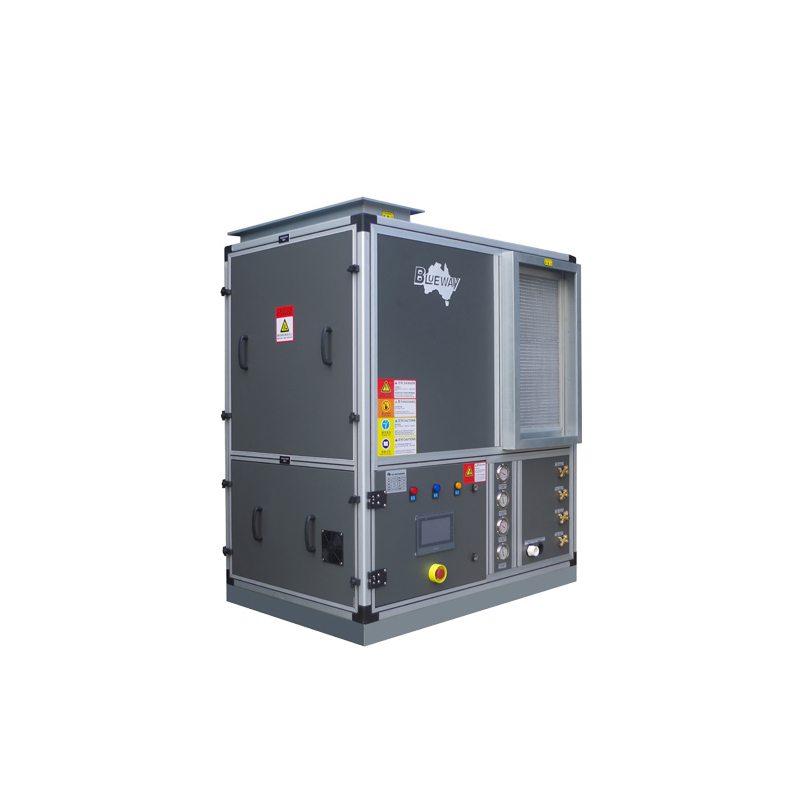
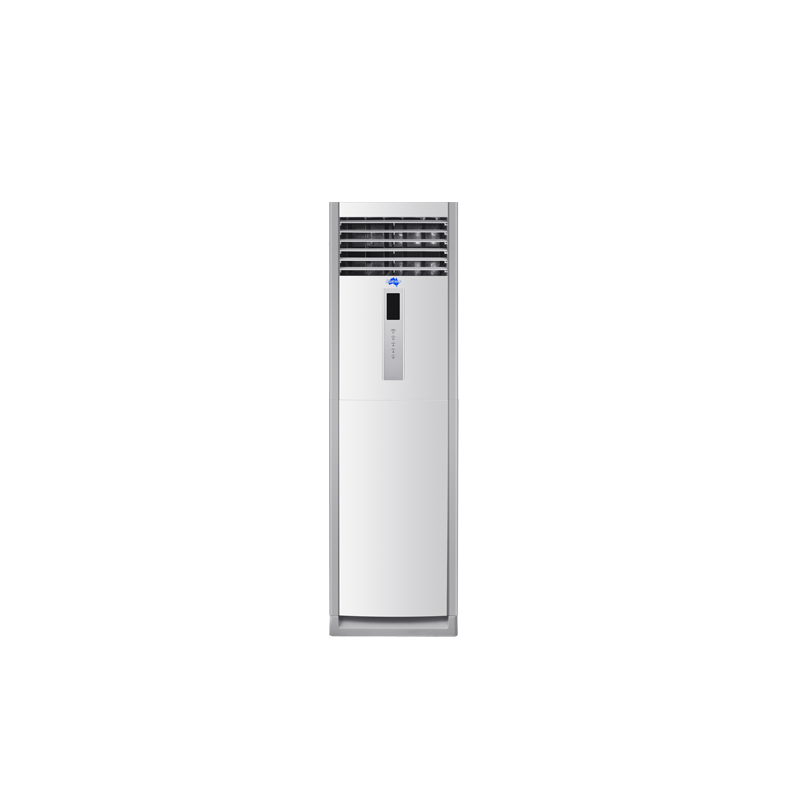
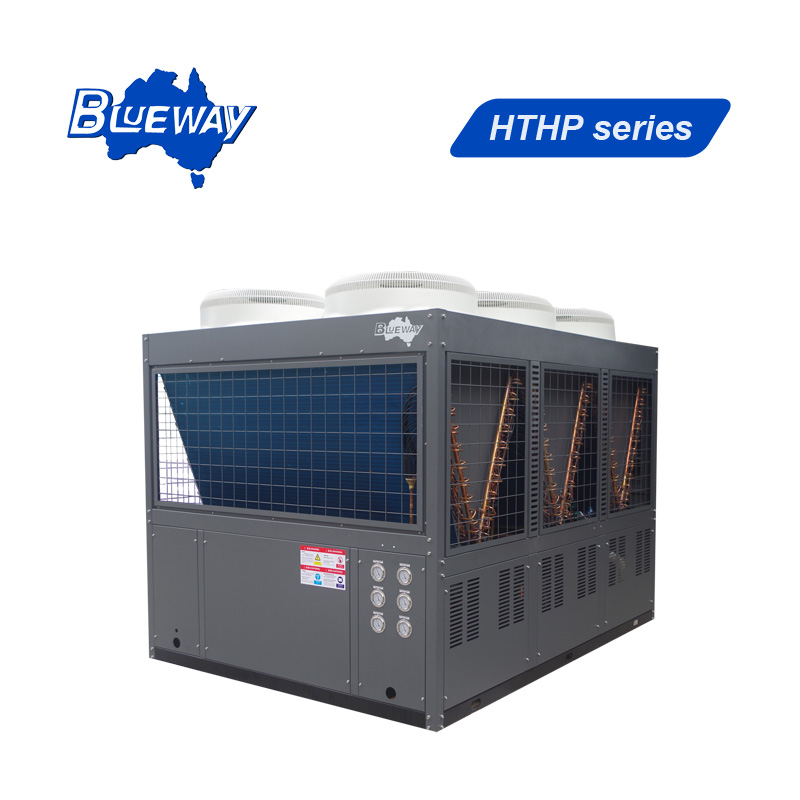
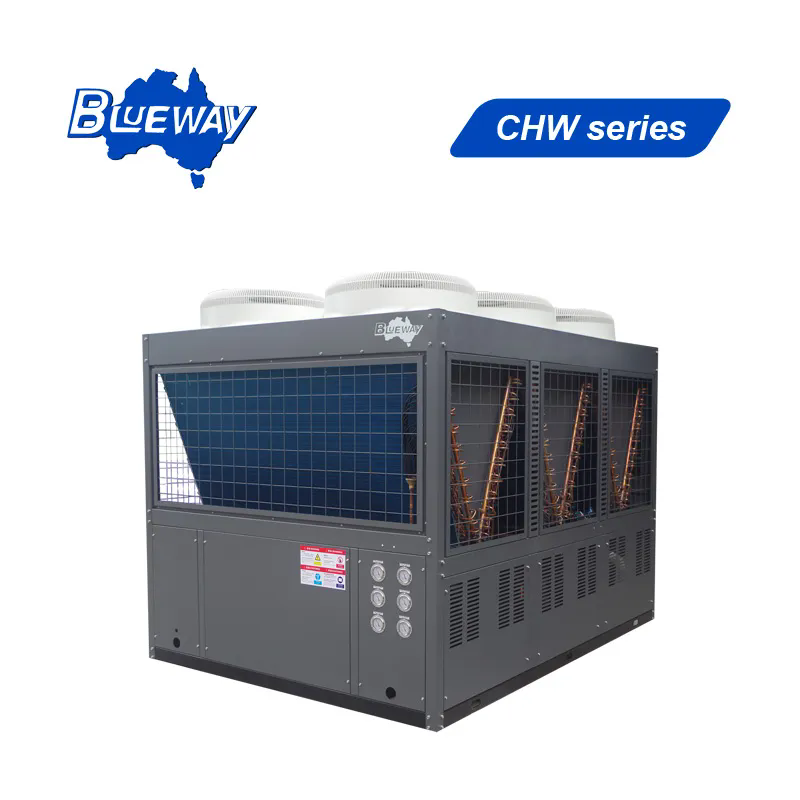
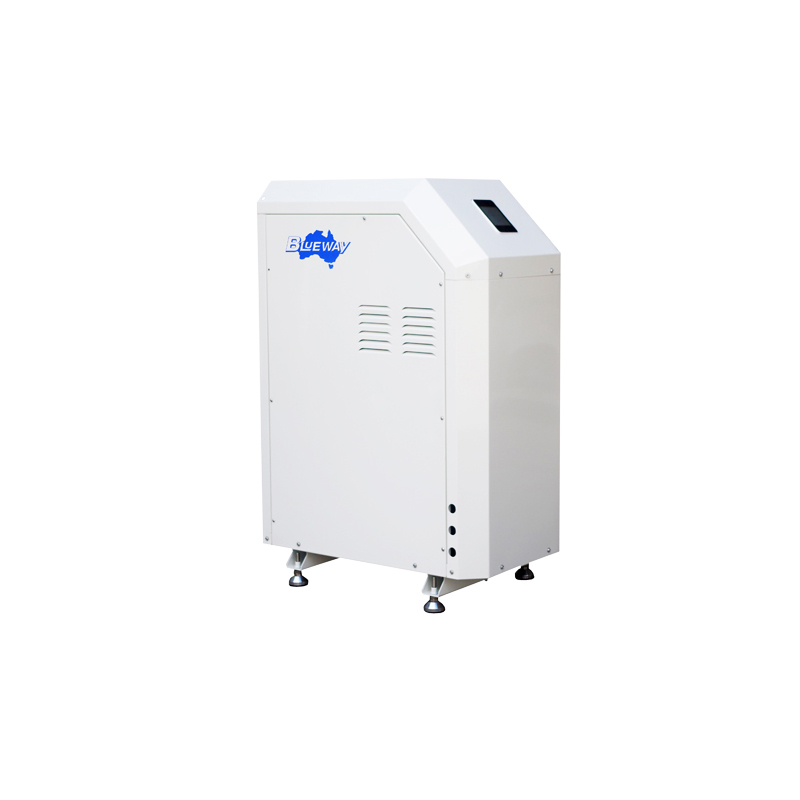
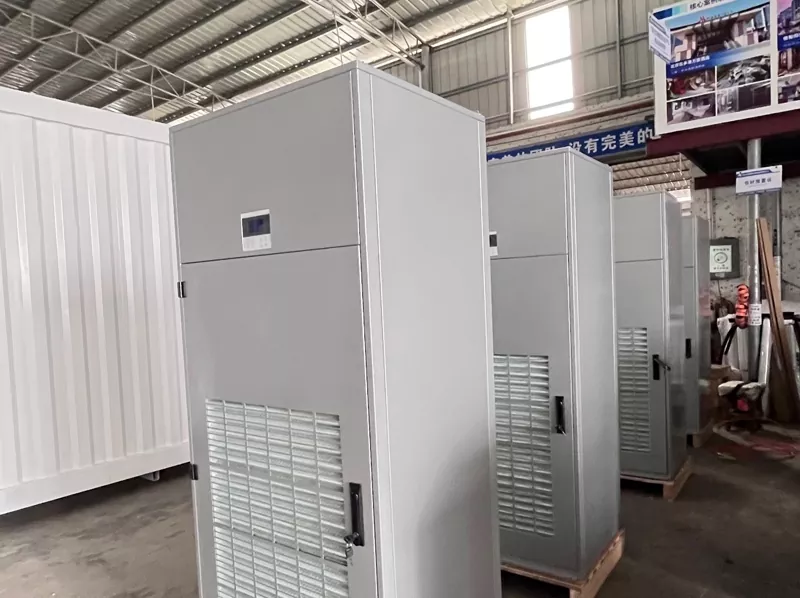
A commercial air conditioner is a high-capacity cooling system designed to regulate temperature, humidity, and air quality in large spaces such as offices, shopping centers, factories, and hotels. Unlike residential units, commercial systems are engineered for continuous operation, higher cooling loads, and advanced control capabilities.
These systems play a crucial role in maintaining productivity, protecting equipment, and ensuring a comfortable indoor environment for employees and customers.
A commercial air conditioning system operates based on the refrigeration cycle. It absorbs heat from indoor air and releases it outside, ensuring consistent cooling performance.
Modern systems also incorporate intelligent controls, allowing users to monitor and adjust temperature settings remotely for optimized performance.
Many businesses encounter difficulties when selecting or operating commercial air conditioners. Understanding these issues helps avoid costly mistakes.
Addressing these challenges requires careful system selection and proper engineering design.
| Parameter | Description |
| Cooling Capacity | Measured in kW or BTU, determines the system’s cooling power |
| Energy Efficiency Ratio | Indicates energy performance and operational cost efficiency |
| Airflow Volume | Defines air distribution efficiency within the space |
| Noise Level | Measured in dB, important for offices and public areas |
| Control System | Includes smart thermostats and remote monitoring |
| Refrigerant Type | Environmentally friendly refrigerants improve sustainability |
| Installation Type | Rooftop, split, VRF, or centralized systems |
High-performance solutions provided by Blueway are engineered to deliver stable operation, energy savings, and long service life across diverse applications.
Different applications require different types of air conditioning systems. Understanding the options helps in making an informed decision.
Each system type offers unique advantages depending on building size, usage, and budget.
Choosing the right commercial air conditioner involves a structured evaluation process.
A well-chosen system reduces operational costs and enhances long-term reliability.
Proper installation and maintenance are essential for optimal performance and longevity.
Routine maintenance prevents unexpected downtime and ensures consistent cooling efficiency.
Q1: What size commercial air conditioner do I need?
The required size depends on factors such as floor area, ceiling height, insulation, and occupancy. A professional load calculation is recommended for accuracy.
Q2: How can I reduce energy costs?
Choose energy-efficient systems, optimize usage schedules, and perform regular maintenance to improve efficiency.
Q3: How long does a commercial air conditioner last?
With proper maintenance, most systems can operate efficiently for 10–15 years or longer.
Q4: Are smart controls necessary?
Smart controls enhance convenience, allow remote monitoring, and improve overall system efficiency, making them highly beneficial.
A commercial air conditioner is a vital investment that directly affects comfort, productivity, and operational efficiency. By understanding system types, technical parameters, and selection criteria, businesses can avoid common pitfalls and achieve optimal performance.
Blueway offers advanced commercial air conditioning solutions designed to meet the diverse needs of modern businesses with reliability and efficiency.
If you are planning to upgrade or install a commercial air conditioning system, contact us today to receive expert guidance and tailored solutions that match your specific requirements.
Teams