Language

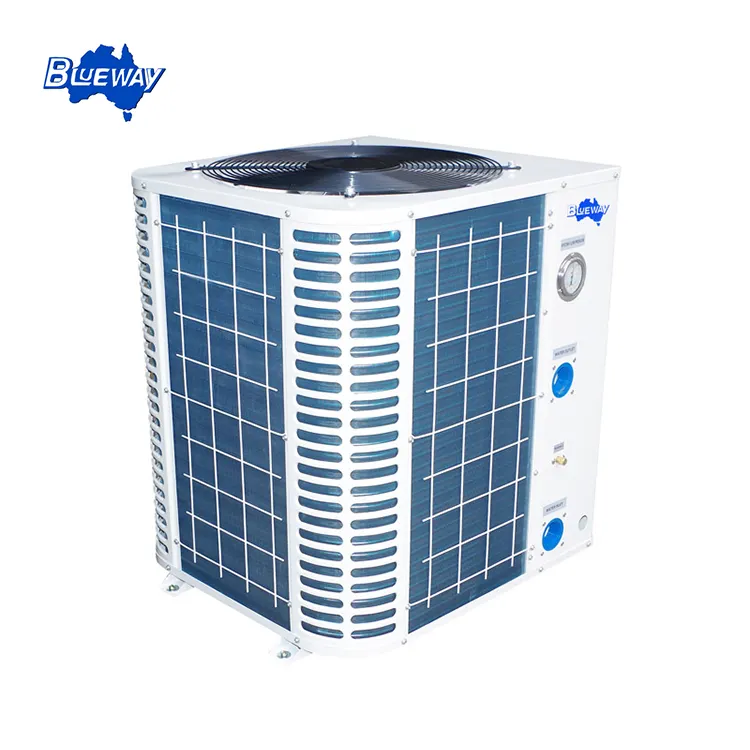
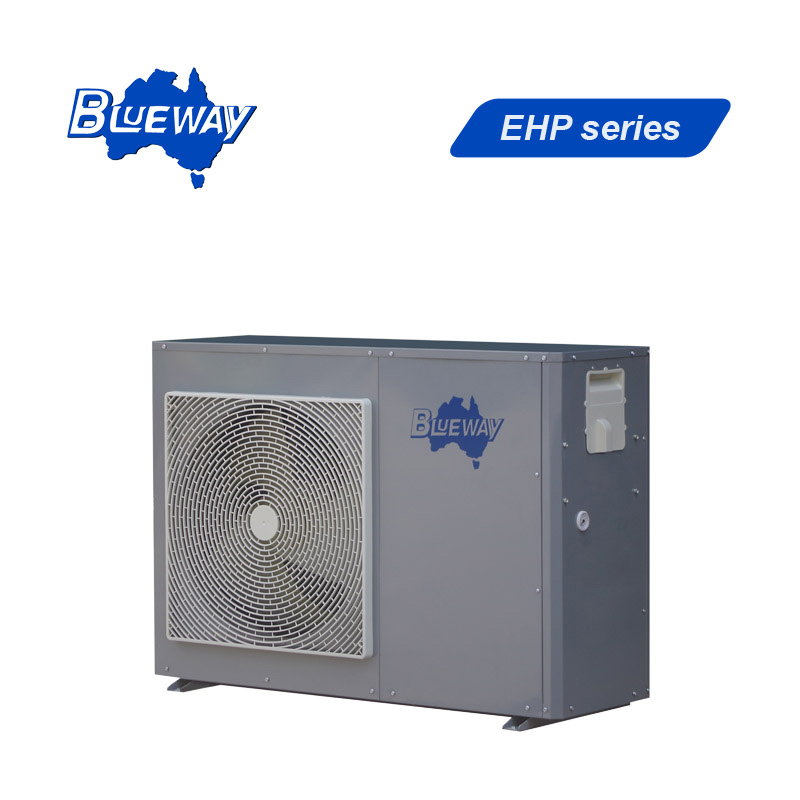
As energy efficiency standards tighten and industries demand reliable cooling performance, the Air Source Water Chiller has become a critical solution across commercial, industrial, and residential sectors. From manufacturing plants to hotels and data centers, customers are searching for cost-effective, low-maintenance, and environmentally responsible cooling systems. This comprehensive guide explores how air source water chillers work, what problems they solve, how to select the right model, and why manufacturers like Foshan Blueway Electric Appliances Co., Ltd. are trusted worldwide for high-performance cooling technology.

An Air Source Water Chiller is a refrigeration system that removes heat from water using ambient air as the heat rejection medium. Unlike water-cooled chillers that require cooling towers, air source systems rely on outdoor air to dissipate heat, making them simpler and more flexible to install.
These chillers are widely used in:
The system operates through a vapor compression refrigeration cycle. Below is a simplified workflow:
This cycle continuously removes unwanted heat, delivering stable chilled water for various cooling applications.
| Customer Pain Point | Impact | Air Source Water Chiller Solution |
|---|---|---|
| High energy bills | Operational cost pressure | High-efficiency compressors and intelligent control systems |
| Complex installation | Project delays | No cooling tower required |
| Frequent maintenance | Downtime and repair costs | Modular design and easy-access components |
| Space limitations | Installation constraints | Compact rooftop or outdoor installation |
| Unstable cooling performance | Product quality risks | Precision temperature control technology |
| Feature | Air Source Water Chiller | Water-Cooled Chiller | Cooling Tower System |
|---|---|---|---|
| Cooling Tower Required | No | Yes | Yes |
| Installation Cost | Moderate | High | High |
| Maintenance Complexity | Low | High | High |
| Water Consumption | None | High | High |
| Energy Efficiency | High (with inverter) | Very High | Medium |
The Air Source Water Chiller is highly adaptable. Typical use cases include:
When selecting an Air Source Water Chiller, consider:
Professional manufacturers like Foshan Blueway Electric Appliances Co., Ltd. provide customized engineering support to ensure precise sizing and long-term reliability.
Modern inverter-driven chillers automatically adjust compressor speed according to cooling demand. This results in:
Over a 10-year lifecycle, energy savings can significantly offset initial investment costs.
Routine maintenance includes:
Partnering with experienced manufacturers such as Foshan Blueway Electric Appliances Co., Ltd. ensures long-term system stability and technical support.
Q1: Is an Air Source Water Chiller suitable for hot climates?
Yes, modern units are designed to operate efficiently even in high ambient temperatures with enhanced condenser design.
Q2: How long does an Air Source Water Chiller last?
With proper maintenance, the average lifespan ranges from 10 to 15 years or longer.
Q3: Can it be integrated with existing HVAC systems?
Yes, most systems are compatible with standard hydronic distribution networks.
Q4: What refrigerants are commonly used?
Environmentally friendly refrigerants such as R410A and R32 are commonly applied.
Q5: Is inverter technology worth the investment?
Absolutely. It significantly reduces energy consumption and enhances temperature stability.
An Air Source Water Chiller offers a powerful combination of efficiency, flexibility, and cost savings for modern cooling demands. Whether you operate a manufacturing facility, commercial building, or specialized industrial process, selecting the right system can dramatically improve operational performance and reduce long-term expenses.
Foshan Blueway Electric Appliances Co., Ltd. specializes in advanced air source water chiller solutions engineered for durability, performance, and intelligent control. If you are looking for a reliable cooling partner, customized design support, and competitive pricing, now is the time to upgrade your system.
Ready to optimize your cooling system? Contact us today to discuss your project requirements and receive a professional solution tailored to your needs.
Teams