Language

Rising electricity prices, unstable energy consumption, and the growing demand for reliable hot water systems are pushing homeowners and commercial facility managers to search for smarter heating solutions. Traditional electric water heaters often consume excessive energy while delivering inconsistent performance. A Hot Water Heat Pump offers a modern alternative that combines energy efficiency, environmental responsibility, and long-term savings.
In this article, Blueway explores how hot water heat pump systems work, why they are becoming increasingly popular worldwide, and how they help solve common customer pain points such as high operating costs, limited hot water supply, and system durability concerns.
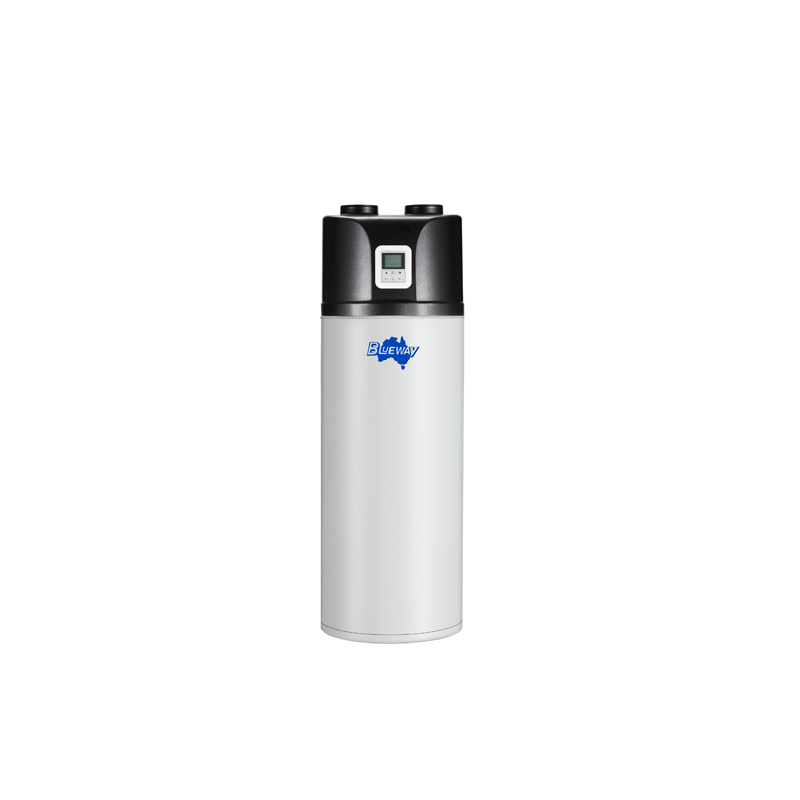
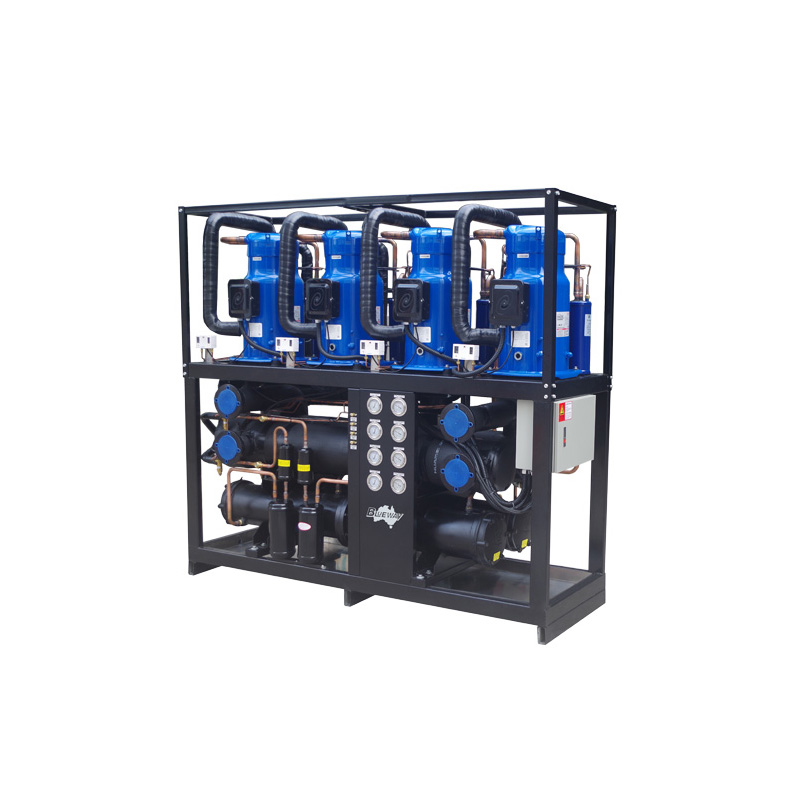
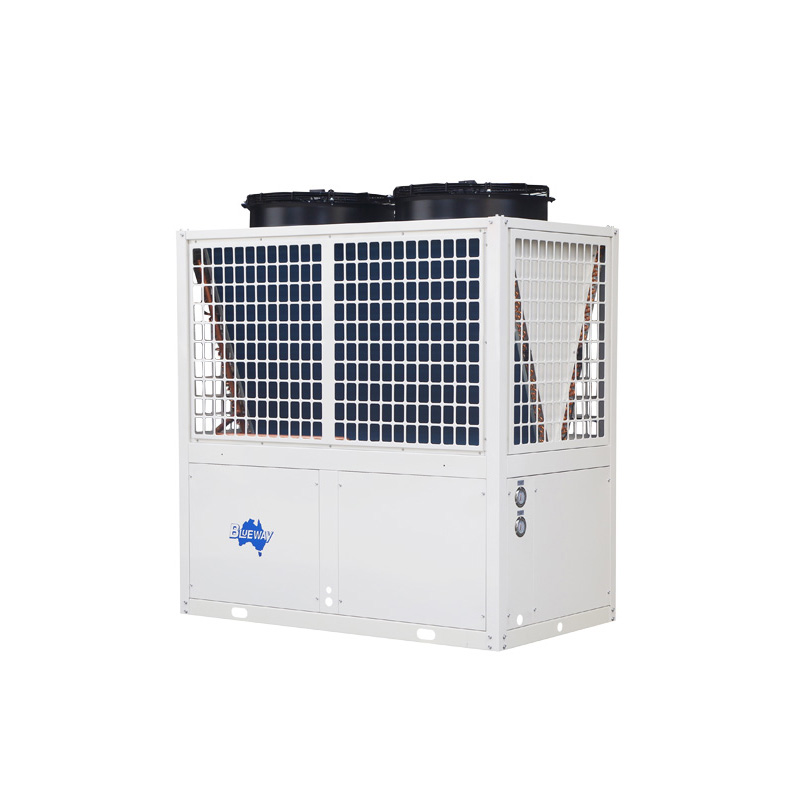
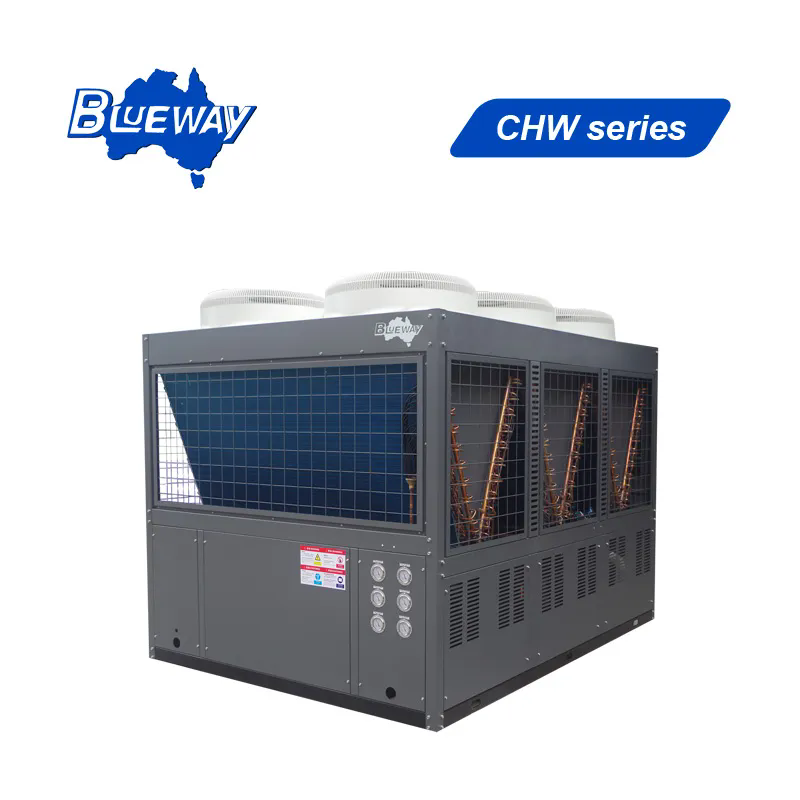
A Hot Water Heat Pump is an energy-efficient system designed to heat water by transferring heat from the surrounding air instead of generating heat directly through electric resistance or combustion. Unlike conventional water heaters, heat pumps consume significantly less electricity because they move existing heat rather than create it.
The technology operates similarly to an air conditioner but in reverse. It extracts ambient heat from the air and transfers it into water stored in a tank or circulated through a water system.
Modern systems developed by Blueway are engineered to provide stable hot water performance for residential, commercial, and industrial applications while reducing overall energy consumption.
Product Page: https://www.blueway-e.com/hot-water-heat-pump
Understanding the working principle helps customers make informed purchasing decisions. A heat pump water heater mainly consists of four essential components:
The operating cycle follows these steps:
This process enables the system to generate multiple units of heat energy from a single unit of electricity input, making it substantially more efficient than conventional electric heaters.
One of the biggest concerns customers face is rising utility bills. Hot water heating can account for a major portion of household or commercial energy usage. Heat pump systems can reduce electricity consumption by up to 70% compared to traditional electric water heaters.
| Heating System | Energy Efficiency | Operating Cost |
|---|---|---|
| Electric Resistance Heater | Low | High |
| Gas Water Heater | Medium | Medium |
| Hot Water Heat Pump | Very High | Low |
Consumers and businesses are increasingly focused on reducing carbon emissions. Since heat pumps use renewable heat energy from the air, they produce fewer greenhouse gas emissions than fossil-fuel-based systems.
In hotels, apartments, gyms, hospitals, and households with high water demand, inconsistent hot water supply can create serious inconvenience. Heat pump systems are designed for continuous and reliable operation.
Traditional water heaters often suffer from overheating and internal wear. High-quality heat pump systems from Blueway are built with durable compressors and corrosion-resistant components that support long operational lifespans.
Unlike gas-based systems, heat pumps eliminate risks associated with fuel leakage or combustion. This makes them safer for residential and commercial installations.
| Feature | Heat Pump | Electric Heater | Gas Heater |
|---|---|---|---|
| Energy Consumption | Low | Very High | Medium |
| Environmental Impact | Low | High | High |
| Installation Complexity | Medium | Low | Medium |
| Maintenance Cost | Low | Low | Medium |
| Safety Level | High | High | Lower |
| Long-Term Savings | Excellent | Poor | Moderate |
Hot Water Heat Pumps are widely used across multiple industries because of their flexibility and efficiency.
Blueway provides customized solutions based on different climate conditions, water demand levels, and installation environments.
Many buyers struggle to determine which heat pump model best fits their needs. Choosing the wrong size or specification may reduce efficiency and increase operational costs.
Here are several critical factors to evaluate:
Calculate daily hot water usage before selecting a system. Commercial projects typically require larger-capacity units with storage tanks.
Ambient air temperature directly affects system performance. Advanced low-temperature heat pumps are recommended for colder regions.
Ensure adequate airflow and installation clearance for optimal heat exchange efficiency.
Higher efficiency ratings generally lead to greater long-term savings.
Choosing an experienced manufacturer like Blueway helps reduce maintenance risks and ensures reliable technical support.
Proper maintenance improves efficiency and extends equipment lifespan.
Preventive maintenance helps avoid unexpected downtime and expensive repairs.
Lower-cost systems may consume more energy and require more maintenance over time.
Not all systems perform equally in low-temperature environments.
Oversized or undersized systems can reduce efficiency and increase operating costs.
Even premium equipment can perform poorly if installed incorrectly.
The heat pump industry continues to evolve with smarter and more sustainable technologies.
As global energy standards become stricter, heat pump systems are expected to play an even more important role in residential and commercial water heating applications.
Yes. Modern low-temperature heat pump systems are specifically designed to operate efficiently even in colder regions.
Depending on usage conditions and climate, energy savings can reach up to 70% compared to traditional electric water heaters.
Professional installation is recommended, but most systems can be integrated into existing water heating infrastructure with minimal disruption.
With proper maintenance, a high-quality system can operate efficiently for 10 to 15 years or longer.
Absolutely. Heat pumps are widely used in hotels, hospitals, factories, schools, and large residential buildings.
A Hot Water Heat Pump is no longer just an alternative heating solution — it has become a practical investment for energy-conscious homeowners and businesses seeking long-term operational savings, environmental responsibility, and reliable hot water performance.
By understanding how these systems work and selecting the right configuration, users can significantly reduce energy costs while improving comfort and system reliability.
Blueway continues to provide advanced heat pump technologies tailored to modern heating demands across global markets.
If you are looking for a reliable and energy-efficient hot water solution for your home, hotel, commercial building, or industrial project, contact us today to discover how Blueway can help optimize your heating system and reduce long-term energy expenses.
Teams