Language

A swimming pool should be a place for relaxation, fitness, and entertainment—not a source of high energy bills or inconsistent water temperatures. Many pool owners struggle with cold water during seasonal changes, rising heating costs, and inefficient traditional heating systems. A Swimming Pool Heat Pump provides a modern and energy-saving solution that maintains comfortable water temperatures while significantly reducing operating expenses.
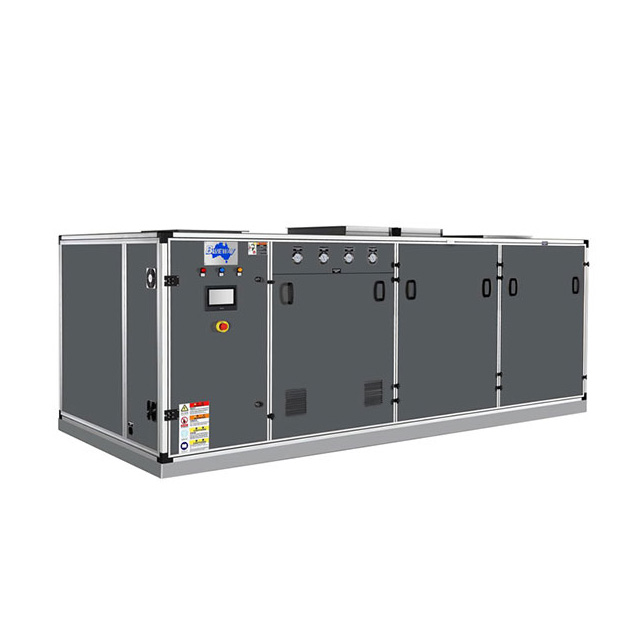
In this article, we will explain how swimming pool heat pumps work, their major benefits, how to choose the right unit, installation considerations, maintenance tips, and why more homeowners and commercial facilities are switching to this advanced heating technology.
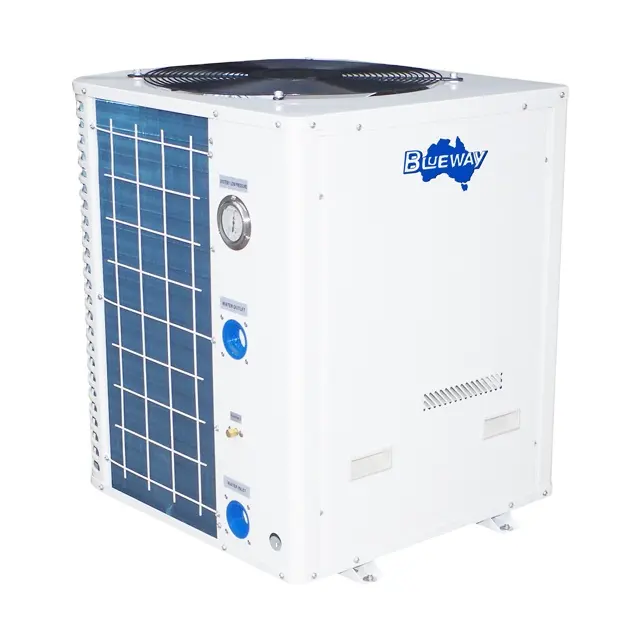
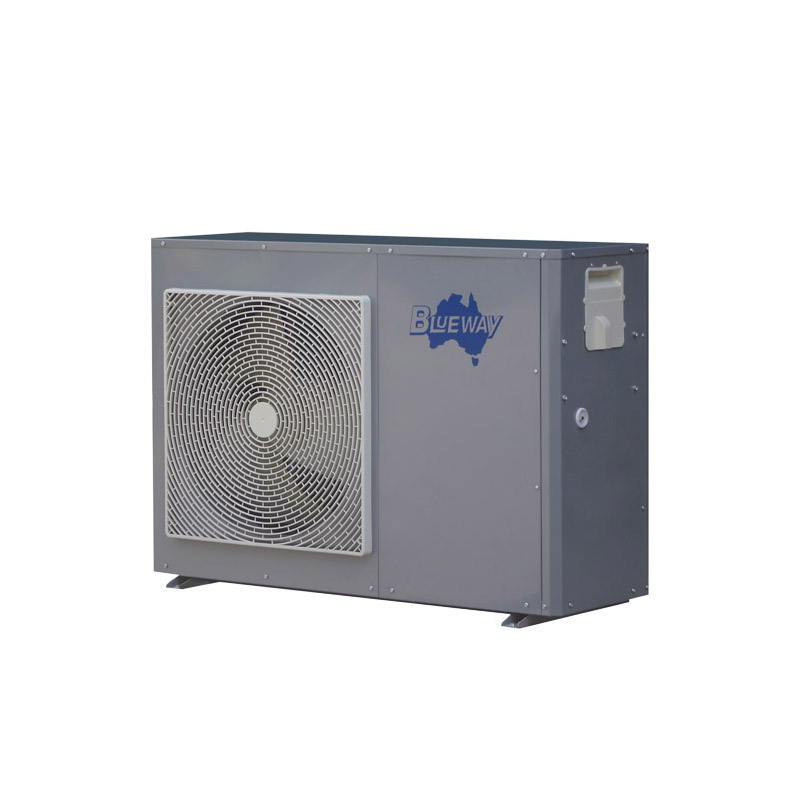
A swimming pool heat pump is an energy-efficient device designed to heat pool water by transferring heat from the surrounding air into the water circulation system. Unlike traditional gas heaters that generate heat through fuel combustion, heat pumps recycle existing thermal energy from the environment.
This technology allows pool owners to maintain stable and comfortable water temperatures with lower energy consumption. Modern pool heat pumps are widely used in:
Compared with conventional electric resistance heaters, pool heat pumps can dramatically reduce electricity consumption while delivering reliable heating performance throughout the swimming season.
The operating principle of a swimming pool heat pump is similar to that of an air conditioner operating in reverse. Instead of removing heat from indoor air, the system extracts heat from outdoor air and transfers it into the pool water.
The heating process typically includes the following steps:
Because the system transfers heat instead of generating it directly, it can achieve much higher efficiency levels than traditional electric heaters.
| Feature | Swimming Pool Heat Pump | Traditional Electric Heater |
|---|---|---|
| Energy Efficiency | Very High | Moderate |
| Operating Cost | Low | High |
| Environmental Impact | Reduced Carbon Emissions | Higher Electricity Demand |
| Temperature Stability | Excellent | Average |
Pool owners are increasingly selecting heat pump systems because they provide multiple operational and financial advantages.
One of the biggest concerns for pool owners is the high cost of heating water. A swimming pool heat pump consumes significantly less electricity compared to traditional heating systems because it transfers heat rather than generating it from scratch.
Maintaining stable pool temperatures improves user comfort and extends the swimming season. Heat pumps can continuously regulate water temperature without large fluctuations.
Modern heat pumps reduce carbon emissions and energy waste, making them a more sustainable heating solution for residential and commercial applications.
Advanced inverter technology and optimized compressor systems allow many modern units to operate with very low noise levels.
High-quality pool heat pumps are engineered with corrosion-resistant materials and durable components that provide long operational lifespans when properly maintained.
Choosing the right pool heating system requires understanding the strengths and limitations of each option.
| Heating Method | Advantages | Limitations |
|---|---|---|
| Gas Heater | Fast heating speed | High fuel cost |
| Electric Heater | Simple installation | High electricity usage |
| Solar Heater | Renewable energy | Weather dependent |
| Swimming Pool Heat Pump | Energy efficient and stable | Higher initial investment |
Selecting the correct heat pump is essential for achieving reliable heating performance and energy savings.
Larger pools require greater heating capacity. Choosing an undersized unit may result in slow heating and unstable water temperatures.
Ambient air temperature directly affects heat pump performance. For colder regions, low-temperature heat pump models are recommended.
Look for systems with high COP (Coefficient of Performance) ratings, as they provide better energy conversion efficiency.
For residential areas or hotels, low-noise inverter pool heat pumps offer improved user comfort.
Titanium heat exchangers and anti-corrosion cabinet materials are important for long-term reliability, especially in coastal environments.
Proper installation has a direct impact on system efficiency and lifespan.
Professional installation can improve heating efficiency, reduce operational problems, and extend equipment life.
Routine maintenance helps maintain heating efficiency and prevents unnecessary downtime.
Regular maintenance not only improves system reliability but also reduces long-term operating costs.
Swimming pool heat pumps are suitable for a wide range of applications due to their efficiency and stable operation.
| Application | Benefits |
|---|---|
| Residential Villas | Comfortable swimming temperature year-round |
| Hotels and Resorts | Lower operational costs and guest satisfaction |
| Fitness Centers | Stable heating for frequent daily use |
| Therapy Pools | Accurate temperature control |
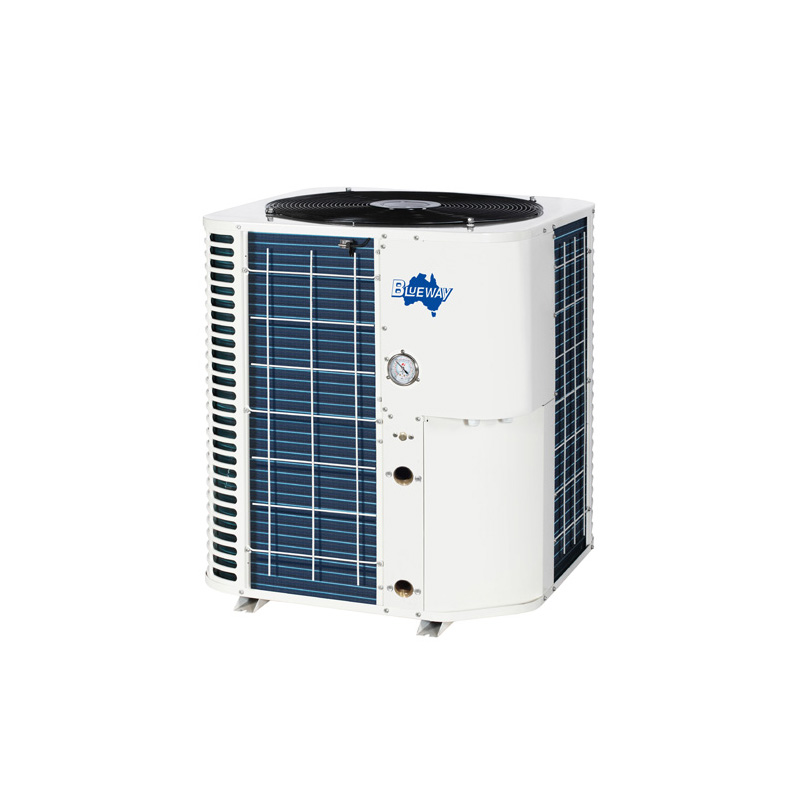
Blueway has extensive experience in heat pump technology and provides reliable swimming pool heating solutions for global residential and commercial customers.
Blueway swimming pool heat pumps are designed with advanced energy-saving technologies, intelligent control systems, durable titanium heat exchangers, and low-noise operation features. These systems are engineered to deliver stable performance under different environmental conditions while helping users reduce energy consumption.
Whether you are upgrading an existing pool heating system or planning a new installation project, Blueway offers flexible solutions for various pool sizes and operational requirements.
Pool heat pumps are highly energy efficient because they transfer existing heat from the air instead of generating heat directly. This can significantly reduce electricity consumption compared with traditional electric heaters.
Yes. Many modern inverter heat pumps are designed to operate efficiently in lower ambient temperatures, although performance may vary depending on the model and climate conditions.
With proper maintenance and professional installation, a high-quality pool heat pump can typically last 10 to 15 years or longer.
Installation should be handled by qualified professionals to ensure correct electrical wiring, water circulation, and airflow configuration.
Routine cleaning and periodic inspections are usually sufficient to maintain efficient operation and extend system lifespan.
A swimming pool heat pump is one of the most practical and energy-efficient solutions for maintaining comfortable pool temperatures while controlling operating costs. With stable heating performance, reduced energy consumption, quiet operation, and long-term reliability, heat pump technology has become the preferred choice for both residential and commercial pool owners.
If you are searching for a dependable and high-performance pool heating solution, Blueway offers advanced swimming pool heat pump systems designed to meet a wide range of application requirements. Contact us today to learn how Blueway can help you create a more comfortable, efficient, and enjoyable swimming experience.
Teams