Language

Summary: Heat pumps are versatile systems that provide both heating and cooling for homes and businesses. They offer energy-efficient climate control, reduce utility costs, and minimize environmental impact. This article explores the mechanisms, benefits, installation considerations, and common questions related to heating cooling heat pumps, helping homeowners make informed decisions.
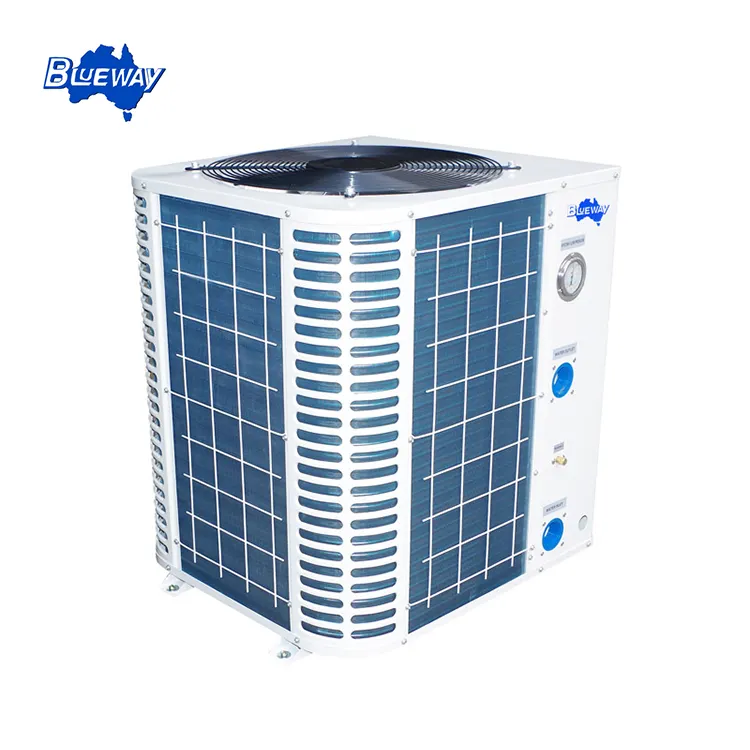
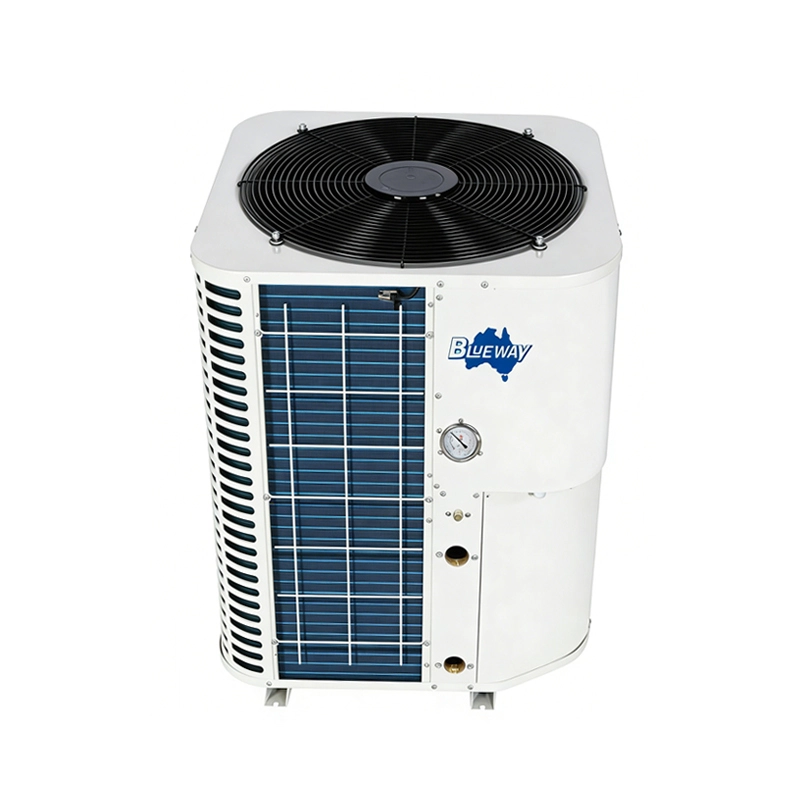
Heating cooling heat pumps are an innovative solution for managing indoor temperatures year-round. Unlike traditional systems that rely on separate heating and cooling units, heat pumps use a single system to move heat in or out of a building efficiently. They are ideal for both residential and commercial applications, providing comfort, energy savings, and lower carbon footprints.
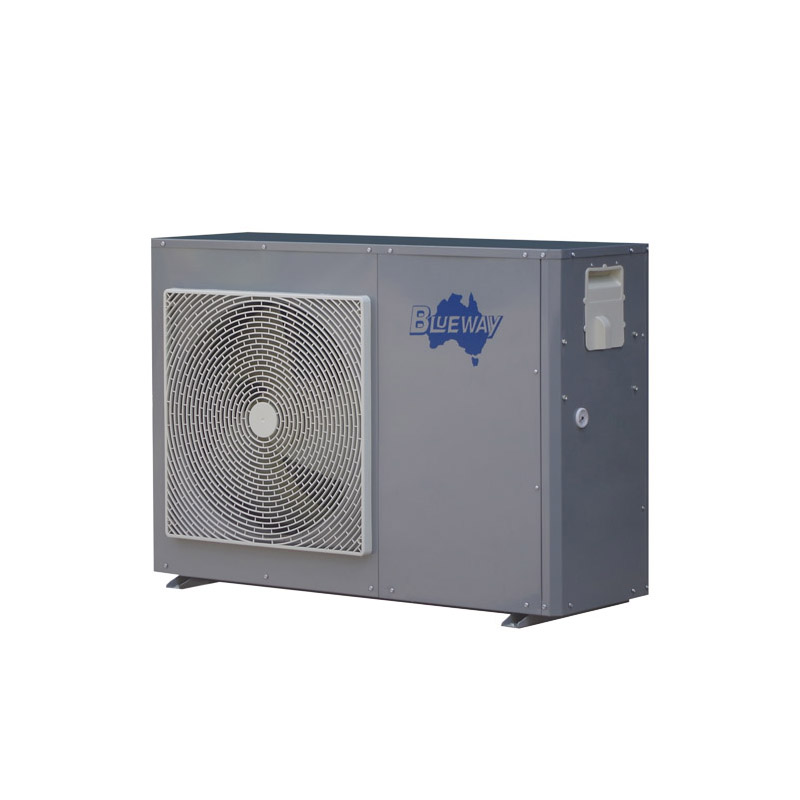
At the core of a heat pump is the principle of heat transfer. It uses refrigerant and a compressor to absorb heat from one location and release it to another. During winter, the heat pump extracts heat from the outside air (even in cold temperatures) and transfers it indoors. In summer, it reverses the process, pulling heat from inside the building and releasing it outside, effectively cooling the interior.
| Component | Function |
|---|---|
| Evaporator | Absorbs heat from the air or ground |
| Condenser | Releases heat to indoor or outdoor environment |
| Compressor | Circulates refrigerant and increases its pressure |
| Expansion Valve | Regulates refrigerant flow to maintain efficiency |
Proper installation is critical for the efficiency and lifespan of a heat pump. Key factors include:
Heating cooling heat pumps offer a reliable, energy-efficient solution for maintaining indoor comfort throughout the year. With proper installation, routine maintenance, and careful selection of system type, homeowners can enjoy lower energy bills, reduced environmental impact, and consistent comfort. Blueway provides top-quality heating cooling heat pumps tailored to your needs. Contact us today to learn how our solutions can enhance your home or business.
Teams